
How Freeze-Thaw Cycles Affect Your Roof in Lansing
Freeze-thaw cycles in Lansing, MI accelerate shingle deterioration, create ice dams, and compromise roof ventilation throughout winter months. These temperature swings cause water to expand in cracks and underlayment seams, leading to leaks that worsen with each cycle.
What Happens During Michigan's Winter Temperature Swings?
Water trapped in roofing materials expands when frozen, then contracts during thaws, gradually widening cracks and separating shingle layers over repeated cycles.
You'll notice granule loss accelerating after several seasons of freeze-thaw activity. The protective mineral coating washes into gutters, exposing the asphalt layer beneath to UV damage and moisture penetration.
Shingles become brittle in freezing temperatures, making them vulnerable to wind uplift and cracking. When temperatures rise above freezing during the day, melted snow refreezes at night along roof edges where heat loss is minimal.
Do Ice Dams Form on Lansing Roofs Every Winter?
Ice dams develop when attic heat melts snow on upper roof sections, causing water to refreeze at colder eaves and create a barrier that traps subsequent meltwater.
Poor attic ventilation worsens this problem by allowing warm interior air to heat the roof deck unevenly. The trapped water backs up under shingles, soaking underlayment and eventually leaking into ceilings and walls.
Ice-and-water protection installed along eaves provides a waterproof barrier that prevents leaks even when ice dams form. For homeowners searching for roofing solutions near me, roofing services in Lansing can assess ventilation issues before winter arrives.
Which Roofing Materials Handle Seasonal Stress Better?
Metal roofing sheds snow more effectively than asphalt shingles, reducing ice dam formation and the structural load from accumulated snow and ice.
Architectural shingles with higher wind ratings resist the lifting forces common during Michigan winter storms. Proper underlayment selection matters too—synthetic materials maintain flexibility in cold temperatures better than traditional felt paper.
Flat roofing systems require specialized drainage planning to prevent ponding water that freezes and expands. Complete roof inspection services evaluate whether your current materials and ventilation design can withstand another Lansing, MI winter cycle.
When Should Lansing Homeowners Schedule Roof Inspections?
Fall inspections allow time to address ventilation problems, replace damaged shingles, and install ice-and-water protection before winter weather begins in earnest.
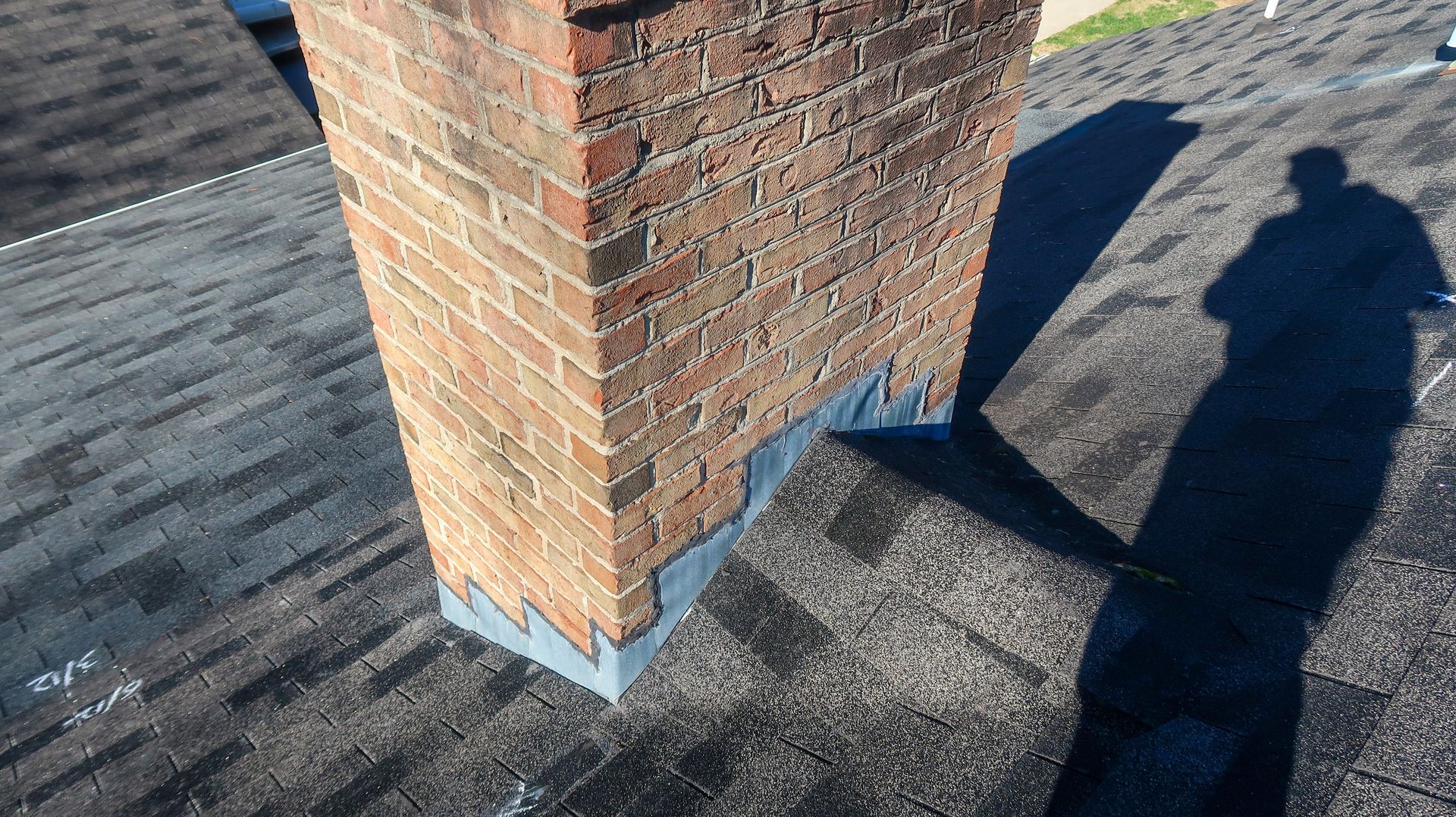
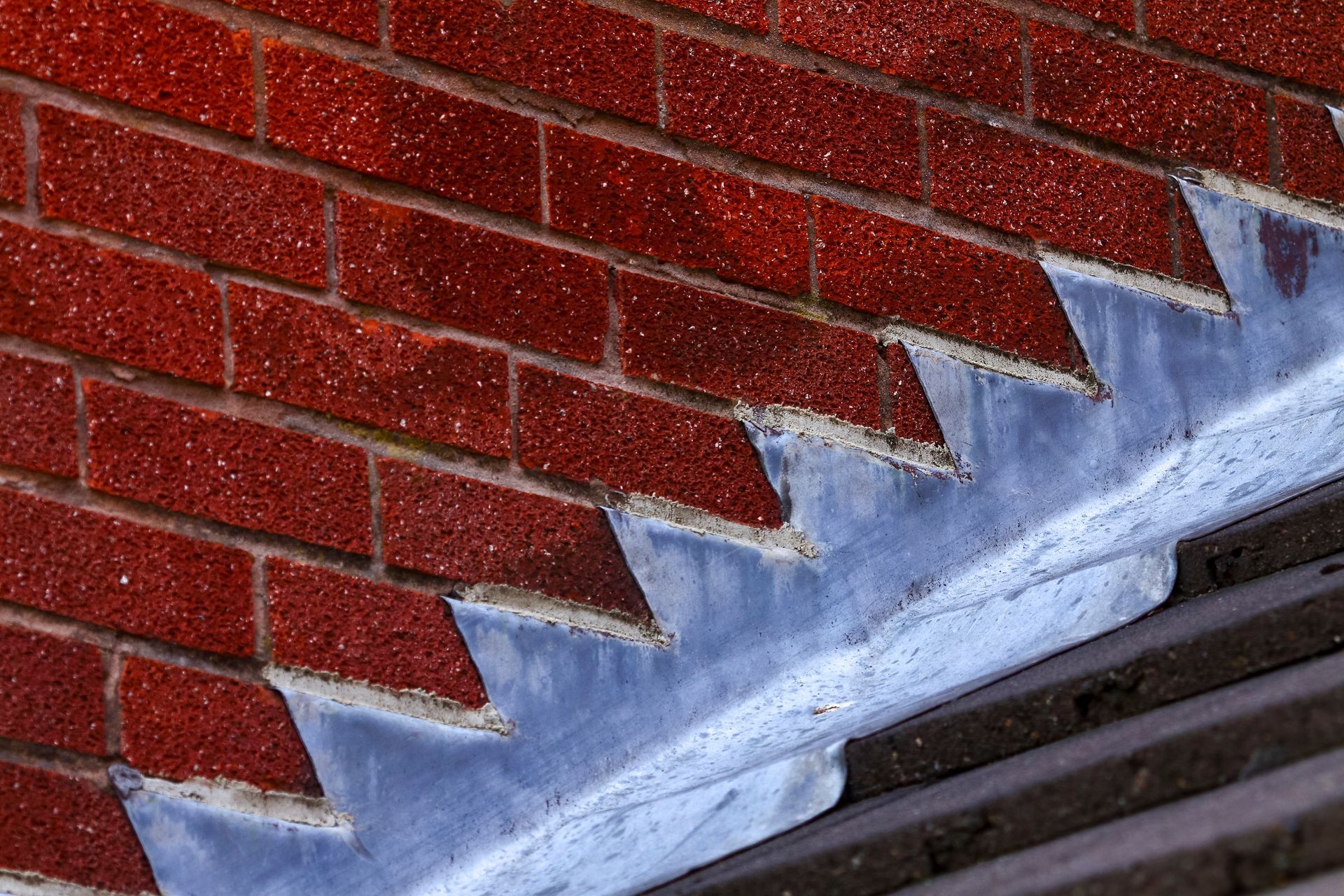
Spring assessments reveal damage that occurred during freeze-thaw cycles, including lifted shingles, compromised flashing, and underlayment deterioration. Catching these issues early prevents minor problems from becoming emergency roof repair situations.
Older Michigan homes often have insufficient attic insulation and ventilation, creating ideal conditions for ice dams and accelerated shingle aging. Inspectors check roof decking integrity, which can deteriorate from repeated moisture exposure in poorly ventilated attics.
Professional evaluations identify granule loss patterns that indicate whether your roof will survive another winter or needs replacement. Scheduling roof inspection services in Lansing before temperature extremes arrive gives you time to plan repairs or budget for replacement.
Protecting your Lansing home from freeze-thaw damage requires understanding how Michigan's climate stresses roofing systems and planning preventive measures accordingly. Discover comprehensive solutions when you connect with Brunette Home Improvement at 802-370-8828 to schedule your seasonal roof evaluation.