
Understanding Chimney Flashing and Why It Matters in Grand Ledge

Business Name: Brunette Home Improvement
• July 22, 2026

Understanding Chimney Flashing and Why It Matters in Grand Ledge

Because chimneys rise through the roof plane and endure constant expansion and contraction, they are a leading source of roof leaks in Grand Ledge, MI, making specialized two-part flashing systems essential for long-term waterproofing. Properly installed chimney flashing isolates masonry movement from the roofing envelope and channels water away from the vulnerable joint where brick meets shingles.

Why Is the Chimney a Major Leak Point?

Chimneys penetrate the roof and create a seam where two dissimilar materials meet and move independently.

Brick and mortar expand and contract with temperature changes at a different rate than asphalt shingles and wood decking. Over time, this differential movement opens gaps that let water seep into the roof structure. Even a small crack at the chimney base can funnel runoff into your attic during Michigan's spring thaw.

Grand Ledge homeowners often discover chimney leaks only after ceiling stains appear, because water travels along rafters before it drips. By then, hidden rot may have weakened framing. Chimneys also collect snow and ice, which melt slowly and test every seal around the flashing.

What Is the Difference Between Base Flashing and Counter Flashing?

Base flashing attaches to the roof deck and overlaps shingles, while counter flashing embeds into the chimney mortar and covers the base layer.

Base flashing is installed first and wraps around the chimney perimeter in step-flashing fashion, with each piece overlapping the previous one. It's nailed to the roof but not to the chimney, allowing the masonry to move without tearing the metal. Counter flashing is then cut into mortar joints on the chimney face and bent down over the base flashing, creating a shingle-like overlap that sheds water.

This two-part design accommodates both materials' natural movement. If base and counter flashing are installed as a single piece or nailed rigidly to both surfaces, seasonal shifts will pull the metal apart and open leak paths. For roofing services in Grand Ledge, proper counter-flashing installation requires cutting reglets into mortar rather than relying on surface-applied sealant.

Why Is Tar Not a Long-Term Solution for Chimney Leaks?

Tar and roof cement may temporarily plug a gap, but they do not address the underlying movement or provide a durable water barrier.

Asphalt-based sealants become brittle in cold weather and soften in summer heat, cracking and peeling away within a year or two. When tar is slathered over old flashing, it traps moisture behind the seal and accelerates corrosion of the metal underneath. Homeowners who rely on repeated tar applications often face compounding damage as hidden rust spreads.

Professional chimney flashing uses metal that slides and overlaps rather than rigid adhesive bonds. Tar patches are a red flag during roof inspections near me because they indicate deferred maintenance. Replacing compromised flashing with a proper two-part system restores long-term protection and eliminates the cycle of emergency repairs.

How Do Masonry Movement and Chimney Caps Affect Durability?

Brick chimneys shift slightly as foundations settle and freeze-thaw cycles stress mortar joints, requiring flashing systems that flex independently.

Counter flashing embedded in mortar can pull loose if the chimney settles or if the mortar deteriorates. Regular repointing of chimney joints keeps the counter flashing securely anchored. A chimney cap that overhangs the brick edges by at least two inches sheds rain away from the flashing and prevents water from running down the masonry face into the mortar joints.

Without an overhanging cap, rain saturates the brick and seeps behind both layers of flashing. In Grand Ledge, ice buildup on exposed chimney tops can also force water under caps that sit flush with the brick. Properly sized caps and sound mortar work together with metal flashing to create a complete chimney waterproofing system.

Chimney flashing is a multilayered defense that must accommodate both roofing materials and masonry movement. When base and counter flashing are installed correctly and supported by an overhanging cap, your chimney remains leak-free through decades of Michigan weather. Start a comprehensive chimney flashing evaluation with Brunette Home Improvement and protect your home at 802-370-8828 in Grand Ledge today.

Recent Posts

By <b>Business Name: </b>Brunette Home Improvement<br> July 22, 2026
Pipe boots seal plumbing vents and roof penetrations in DeWitt, MI. Discover how proper integration prevents leaks and the warning signs to watch for around pipes.
By <b>Business Name: </b>Brunette Home Improvement<br> July 22, 2026
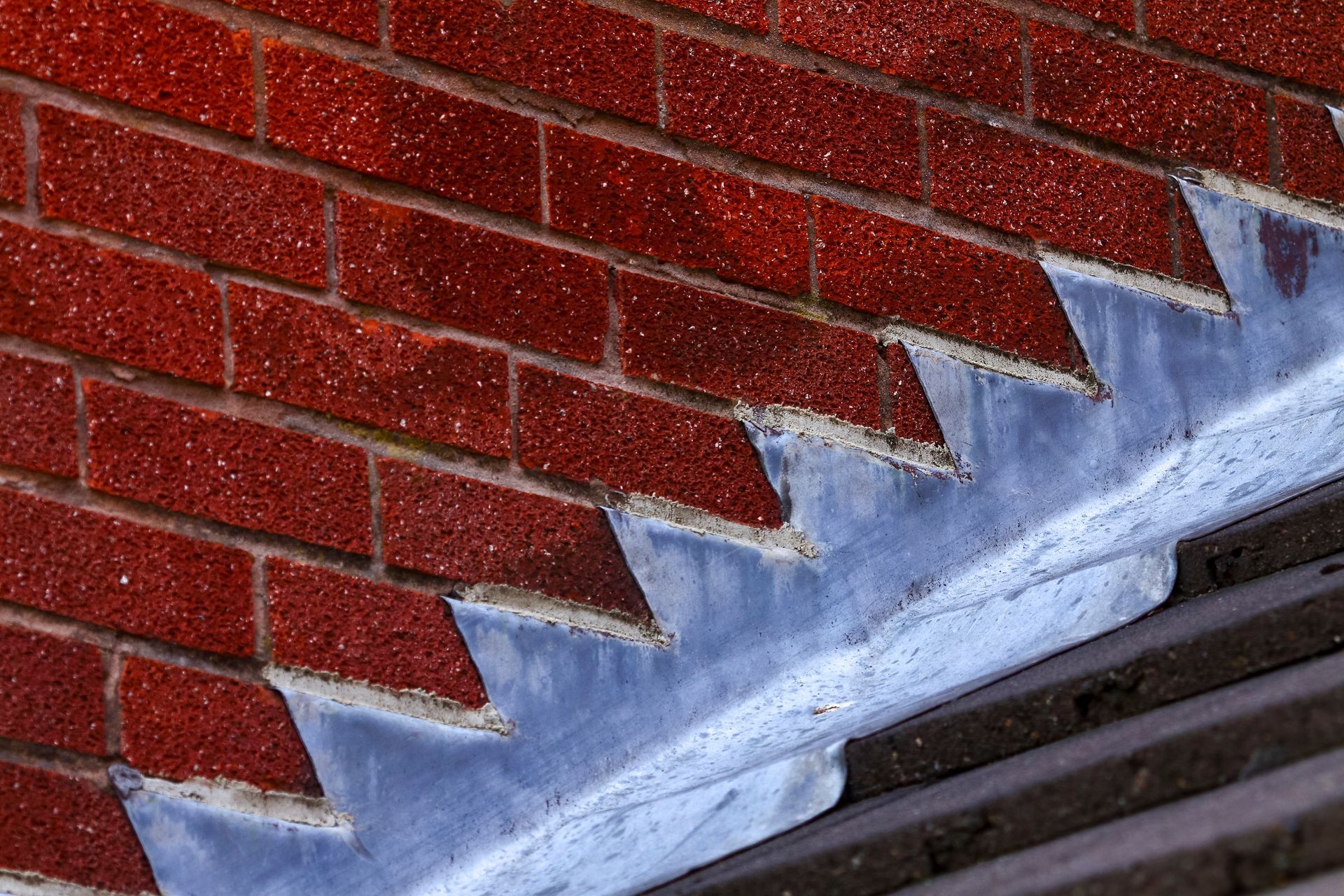
Step flashing directs water away from roof-to-wall joints in Lansing, MI. Learn where it's used, how it integrates with shingles, and common leak causes.

transparent
July 1, 2026
Get premium window installation to enhance energy efficiency & curb appeal. Contact us for expert solutions today!
transparent
June 1, 2026
Transform your outdoor space with custom deck installation. Contact us for expert design & installation services today!
transparent
June 1, 2026
Enhance your home with expert additions & remodeling. Improve comfort & value with our professional services. Contact us for a consultation!
transparent
June 1, 2026
Get fast storm damage repairs & restoration. Our experts handle roofing, siding, & windows. Contact us for help today!
February 17, 2026
This is a subtitle for your new post
White house with black trim and gutters, sitting in a snowy landscape.
February 17, 2026
This is a subtitle for your new post
Backyard with a raised wooden deck, stairs, and patio next to a house with windows and a door.
February 17, 2026
This is a subtitle for your new post
February 17, 2026
This is a subtitle for your new post
Show More