
What Is Step Flashing and How Does It Protect Your Lansing Home?

Business Name: Brunette Home Improvement
• July 22, 2026

What Is Step Flashing and How Does It Protect Your Lansing Home?

Step flashing is a metal barrier installed at roof-to-wall intersections in Lansing, MI, creating a layered defense against water intrusion by directing runoff away from vulnerable seams. It consists of L-shaped pieces that overlap like shingles, forming a continuous channel that shields dormers, chimneys, and sidewalls from Michigan's freeze-thaw cycles and heavy rain.

Where Is Step Flashing Used on Your Roof?

Step flashing protects any vertical surface where a roof plane meets a wall, dormer, or chimney structure.

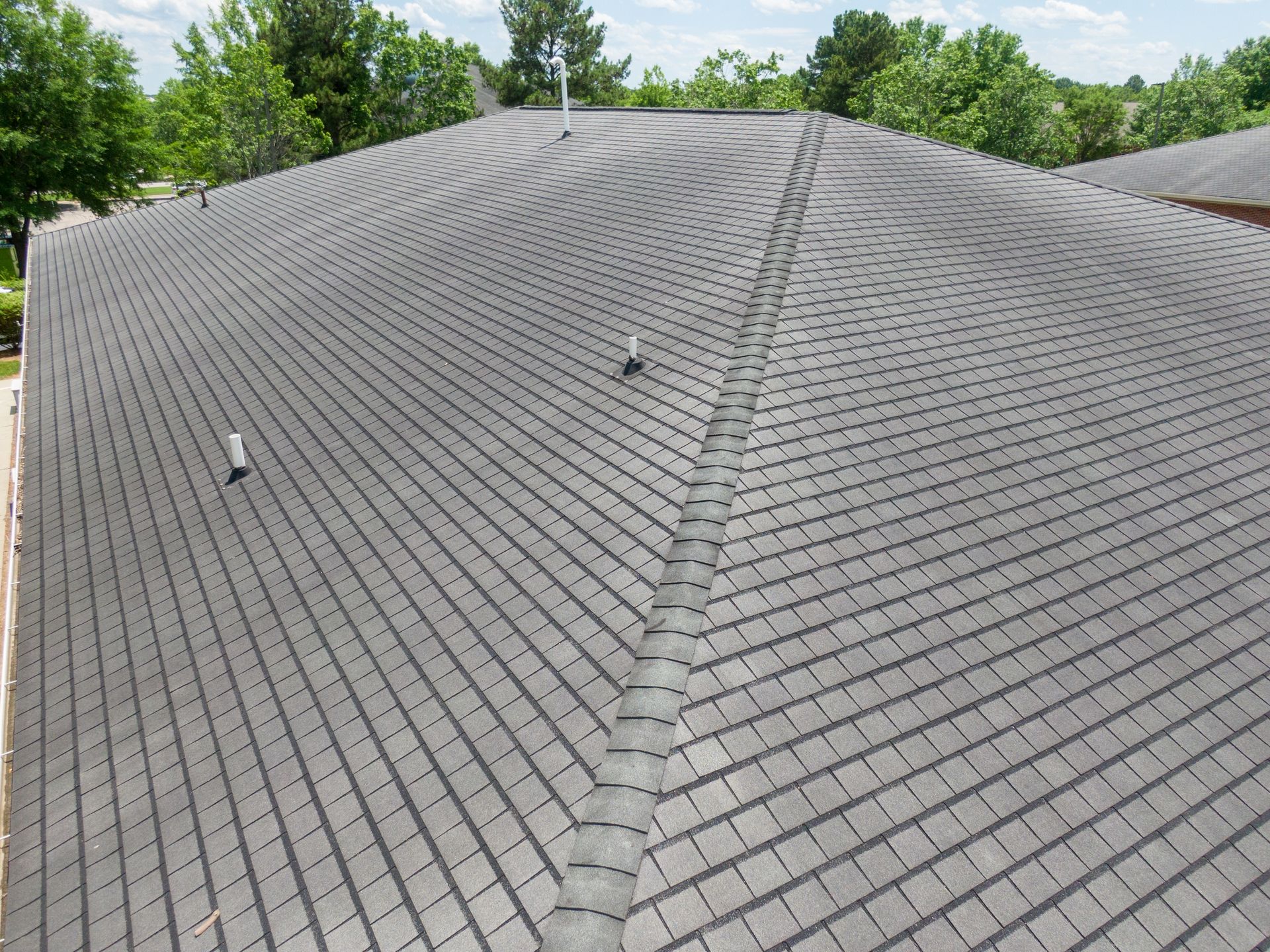
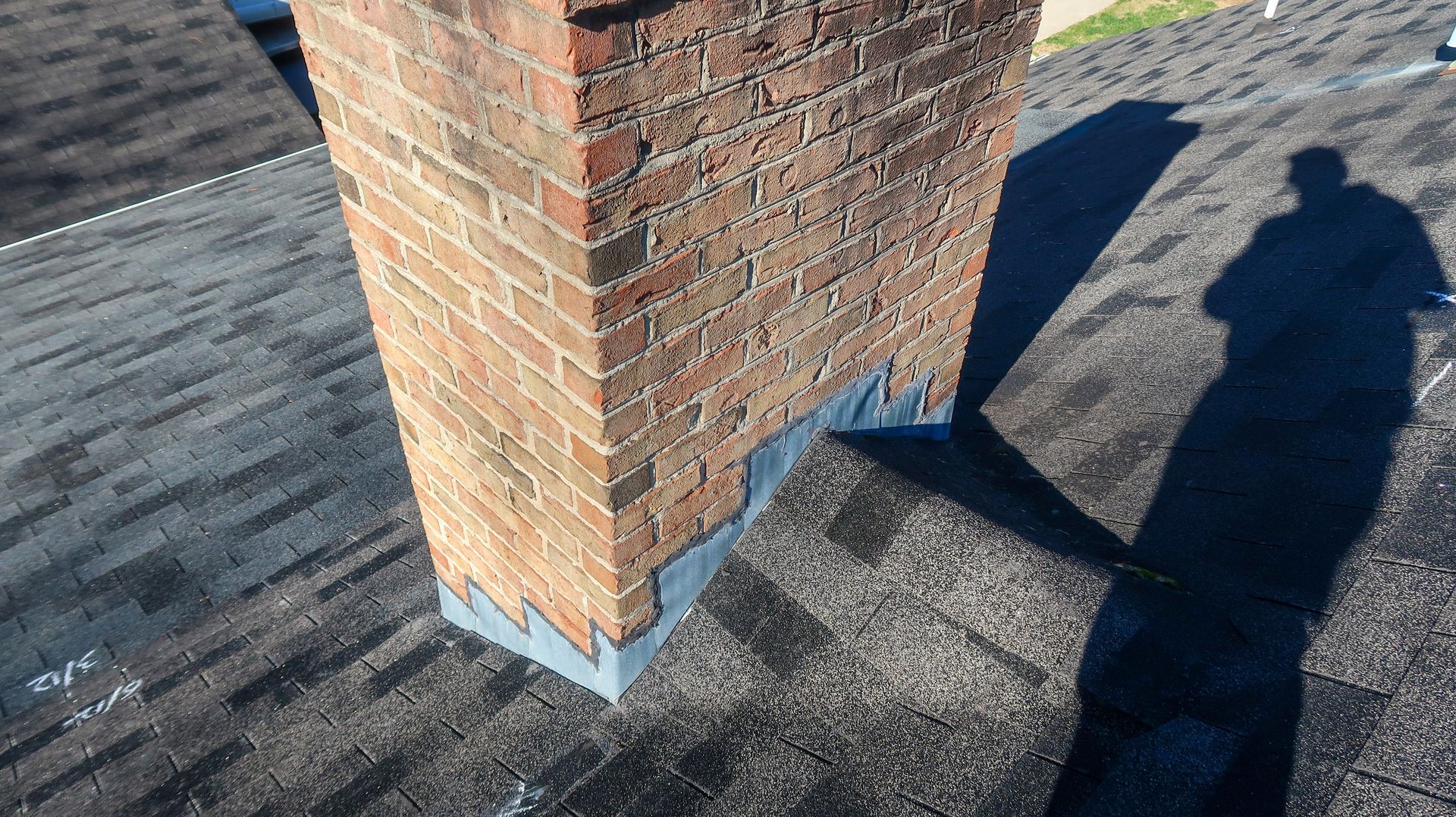
You'll find it along the sides of chimneys where brick meets asphalt shingles, around dormers that interrupt the main roof line, and wherever an addition or second-story wall extends above a lower roofline. Each piece of step flashing is woven between courses of shingles so water flows over the metal rather than behind it.

In Lansing, homes with complex rooflines or multiple story transitions rely heavily on step flashing because snow melt and ice dams can force water upward under shingles if the barrier is compromised. Without proper installation near me, even a small gap can funnel moisture into wall cavities and insulation.

How Does Step Flashing Work With Shingles?

Step flashing is integrated course-by-course as shingles are laid, creating overlapping layers that mimic the roof's natural drainage path.

Each L-shaped piece is bent at ninety degrees: one leg tucks under the shingle above it and extends onto the roof deck, while the other leg runs up the vertical wall surface. As shingles are installed, each new piece of step flashing sits on top of the shingle below and underneath the shingle above, ensuring water always encounters a downward-sloping metal surface.

This interwoven approach prevents wind-driven rain from backing up under the roofing material. If step flashing is installed after shingles are complete or nailed in the wrong sequence, water can bypass the metal and soak into wood framing. For roofing services in Lansing, correct sequencing during installation is as important as the flashing material itself.

Why Should You Replace Step Flashing When Able?

Old or damaged step flashing loses its ability to shed water and should be replaced during any roof replacement or major repair.

Metal flashing corrodes over time, especially if it's made from thin galvanized steel rather than aluminum or copper. Rust creates pinholes and weak spots that let moisture seep behind the barrier. Even if your shingles still look sound, deteriorated step flashing can cause hidden rot in wall sheathing and framing.

Because step flashing is layered with shingles, replacing it after the fact requires removing and reinstalling multiple rows of roofing material. That's why contractors recommend renewing all flashing when you invest in a new roof. Michigan's seasonal temperature swings accelerate metal fatigue, so proactive replacement prevents expensive structural damage down the road.

What Are Common Leak Causes Related to Step Flashing?

Most step-flashing leaks stem from improper overlap, missing pieces, or gaps between the metal and the wall surface.

If pieces are spaced too far apart or not overlapped by at least two inches, water can slip between them during heavy rain. Nails driven through the flashing instead of above it create puncture points that channel moisture inward. Caulk or tar applied over flashing may look like a quick fix, but it traps water rather than directing it away and can hide underlying corrosion.

In Lansing, ice dams often push water sideways under shingles and over improperly installed step flashing. When the metal isn't tall enough to extend above the expected snow line, melt water finds its way behind the barrier and into your walls.

Step flashing is one of the most critical yet least visible components of your roof system. When installed correctly and replaced on schedule, it keeps water where it belongs and protects the structural integrity of your home. Experience professional flashing installation and roof protection—schedule an inspection with Brunette Home Improvement at 802-370-8828 to safeguard your Lansing property before the next storm season.

Recent Posts

By <b>Business Name: </b>Brunette Home Improvement<br> July 22, 2026
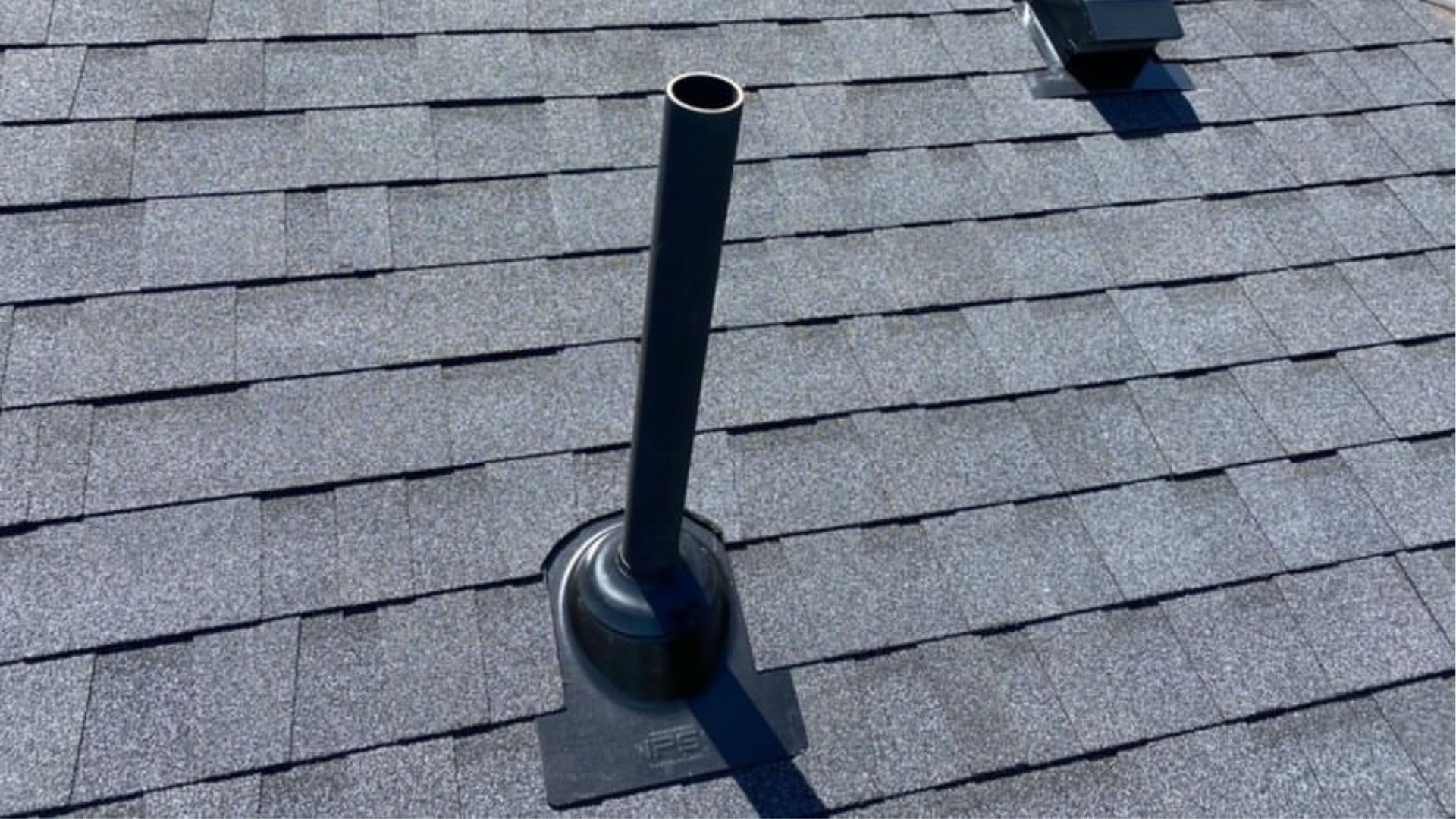
Pipe boots seal plumbing vents and roof penetrations in DeWitt, MI. Discover how proper integration prevents leaks and the warning signs to watch for around pipes.
By <b>Business Name: </b>Brunette Home Improvement<br> July 22, 2026
Chimney flashing in Grand Ledge, MI uses base and counter layers to prevent leaks. Learn why tar fails, how masonry shifts, and the role of chimney caps.

transparent
July 1, 2026
Get premium window installation to enhance energy efficiency & curb appeal. Contact us for expert solutions today!
transparent
June 1, 2026
Transform your outdoor space with custom deck installation. Contact us for expert design & installation services today!
transparent
June 1, 2026
Enhance your home with expert additions & remodeling. Improve comfort & value with our professional services. Contact us for a consultation!
transparent
June 1, 2026
Get fast storm damage repairs & restoration. Our experts handle roofing, siding, & windows. Contact us for help today!
February 17, 2026
This is a subtitle for your new post
White house with black trim and gutters, sitting in a snowy landscape.
February 17, 2026
This is a subtitle for your new post
Backyard with a raised wooden deck, stairs, and patio next to a house with windows and a door.
February 17, 2026
This is a subtitle for your new post
February 17, 2026
This is a subtitle for your new post
Show More