
Storm Damage Repair Tips: Restoring Your Home After Severe Weather
When severe weather strikes Michigan, the aftermath can leave homeowners facing significant property damage and overwhelming repair decisions. Whether you’re dealing with roof damage from high winds, broken windows from hail, or water intrusion from heavy rains, understanding the storm damage repair process is crucial for protecting your investment and ensuring your family’s safety. This blog walks you through every essential step of storm damage restoration, from immediate safety measures to working with insurance companies and selecting qualified contractors. With Michigan experiencing an average of 15-20 severe thunderstorm days annually and tornado activity concentrated in spring and summer months, being prepared with the right knowledge can make the difference between a smooth recovery and costly mistakes.
Understanding Different Types of Storm Damage
Before beginning any home storm damage assessment, it’s important to recognize the various ways severe weather can impact your property. Different storm types cause distinct damage patterns that require specific repair approaches.
Wind Damage to Roofing and Exterior
High winds are among the most common causes of residential storm damage across the Lansing area. Wind speeds exceeding 50 mph can lift shingles, tear off fascia boards, and even compromise entire roof sections. Common wind damage indicators include:
- Missing, lifted, or curled shingles
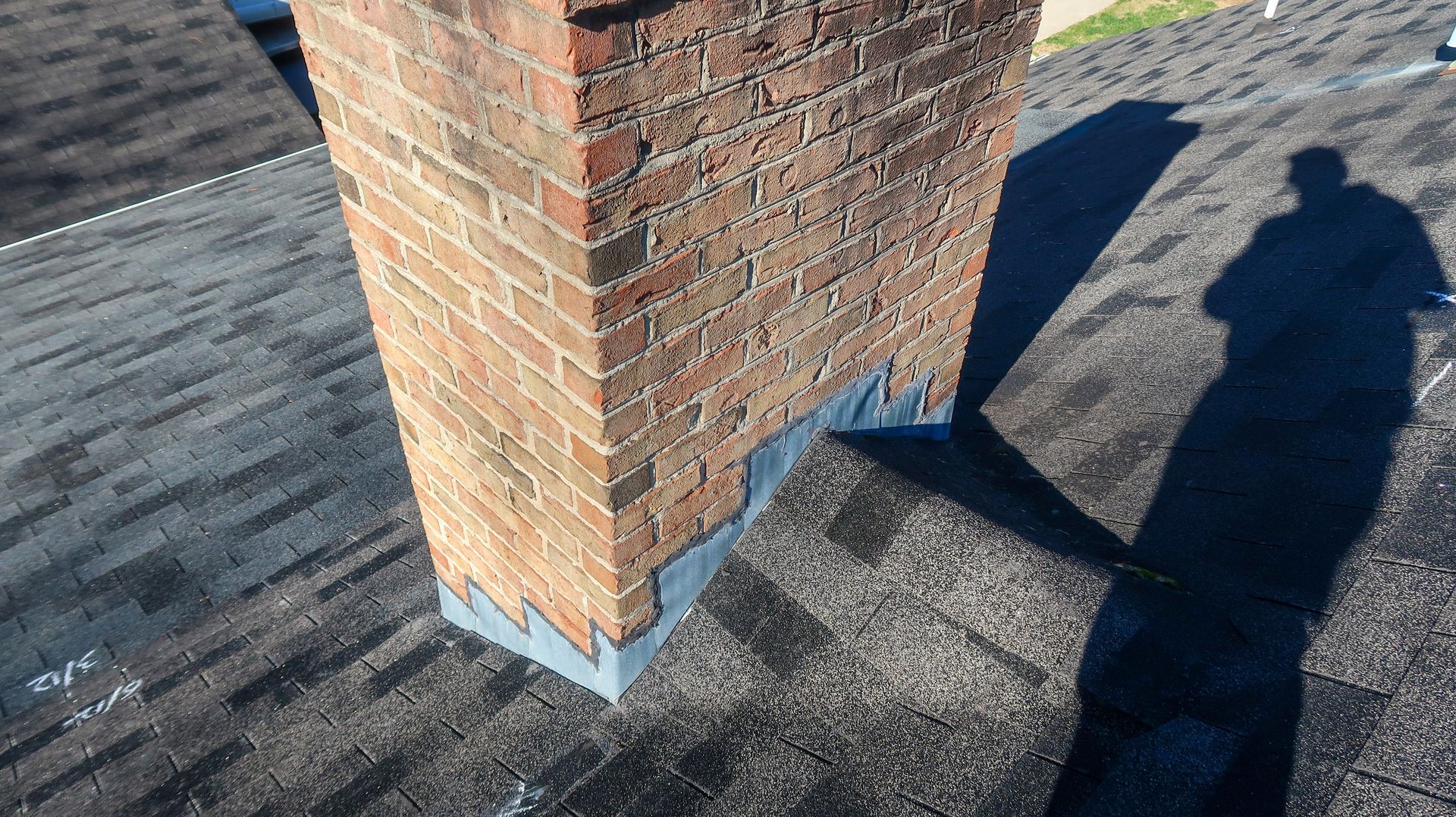
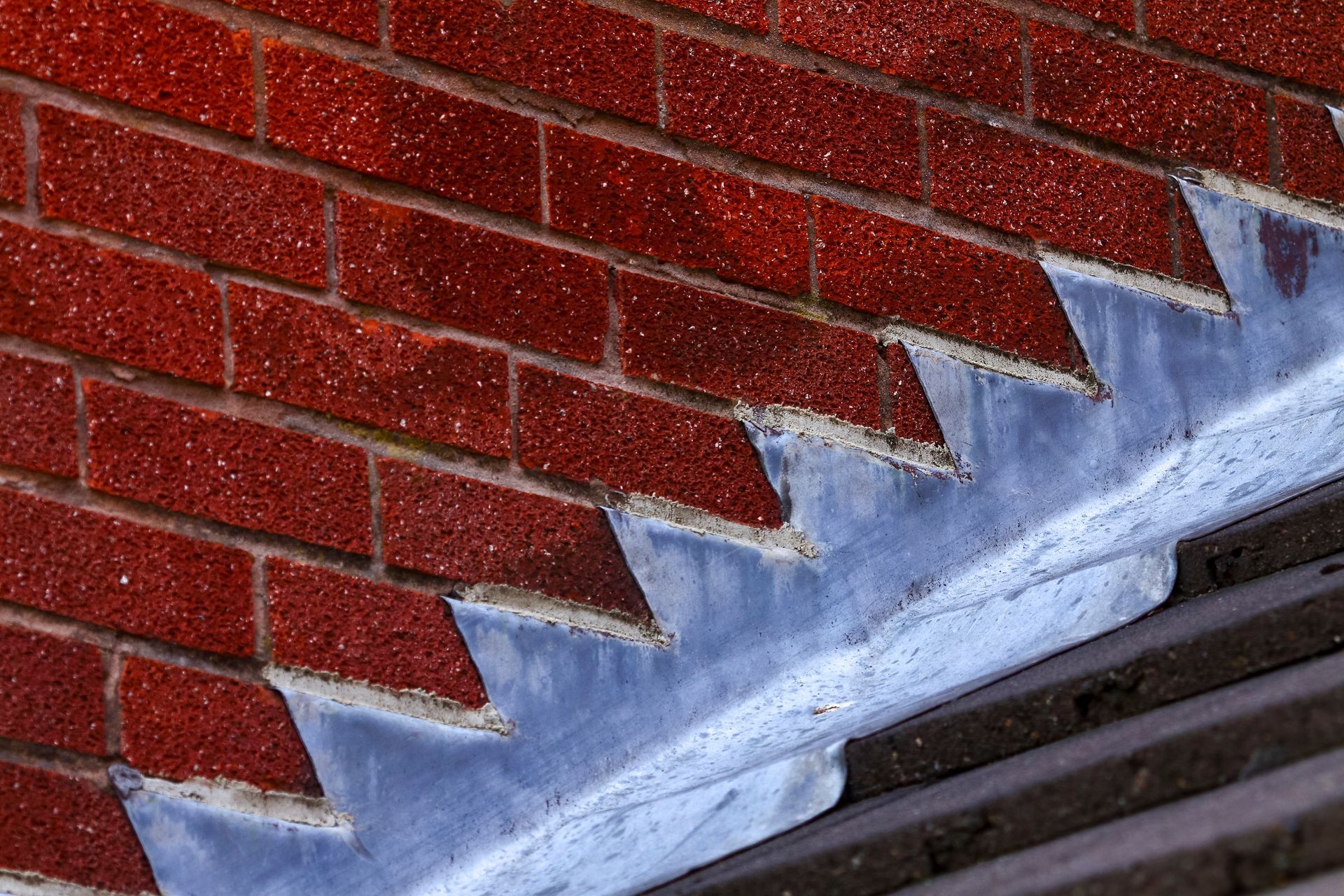
- Damaged or missing roof flashing
- Dented or torn gutters and downspouts
- Broken or cracked siding panels
- Damaged soffit and fascia boards
- Fallen tree limbs on structures
The wind damage repair cost varies significantly based on the extent of destruction, with minor shingle repairs starting around $300-$500, while comprehensive roof replacements can range from $8,000-$15,000 or more, depending on your home’s size and roofing materials.
Hail Damage Restoration Needs
Hailstorms can wreak havoc on roofing materials, siding, and outdoor fixtures. Even small hailstones can create divots in asphalt shingles that compromise their protective capabilities, while larger hail can crack or puncture roofing materials entirely. Signs requiring hail damage restoration:
- Circular dents or bruising on shingles
- Loss of protective granules exposes the black substrate
- Cracked or broken roof tiles or slate
- Dented metal roofing, gutters, or vents
- Damaged vinyl or aluminum siding
- Broken window screens or cracked glass
Water Damage from Storms
Perhaps the most insidious type of storm damage, water intrusion can lead to mold growth, structural deterioration, and extensive interior damage if not addressed promptly. Water damage from storms often occurs when roofing or window failures allow rain to penetrate your home’s envelope. Critical water damage indicators:
- Water stains on ceilings or walls
- Warped or buckled flooring
- Musty odors indicate mold growth
- Peeling paint or wallpaper
- Visible condensation between window panes
- Damp insulation in attic spaces
Immediate Steps After Storm Damage Occurs
The first hours and days following storm damage are critical for preventing further deterioration and documenting losses for insurance purposes. Taking prompt action protects both your property and your financial interests. Ensure Safety First Before conducting any home storm damage assessment, prioritize your family’s safety above all else.
- Check for structural hazards: Look for sagging ceilings, cracked walls, or compromised support beams that could indicate dangerous structural damage
- Avoid electrical hazards: If water has entered your home near electrical outlets or your breaker box, shut off power to affected areas or contact your utility company
- Watch for gas leaks: If you smell gas or suspect a leak, evacuate immediately and call your gas company from a safe location
- Stay clear of downed power lines: Always assume fallen power lines are live and maintain a distance of at least 35 feet
Perform Temporary Storm Damage Repairs Waiting for professional contractors or insurance adjusters, implementing temporary storm damage repairs prevents secondary damage that could complicate claims or increase repair costs. Emergency protective measures include:
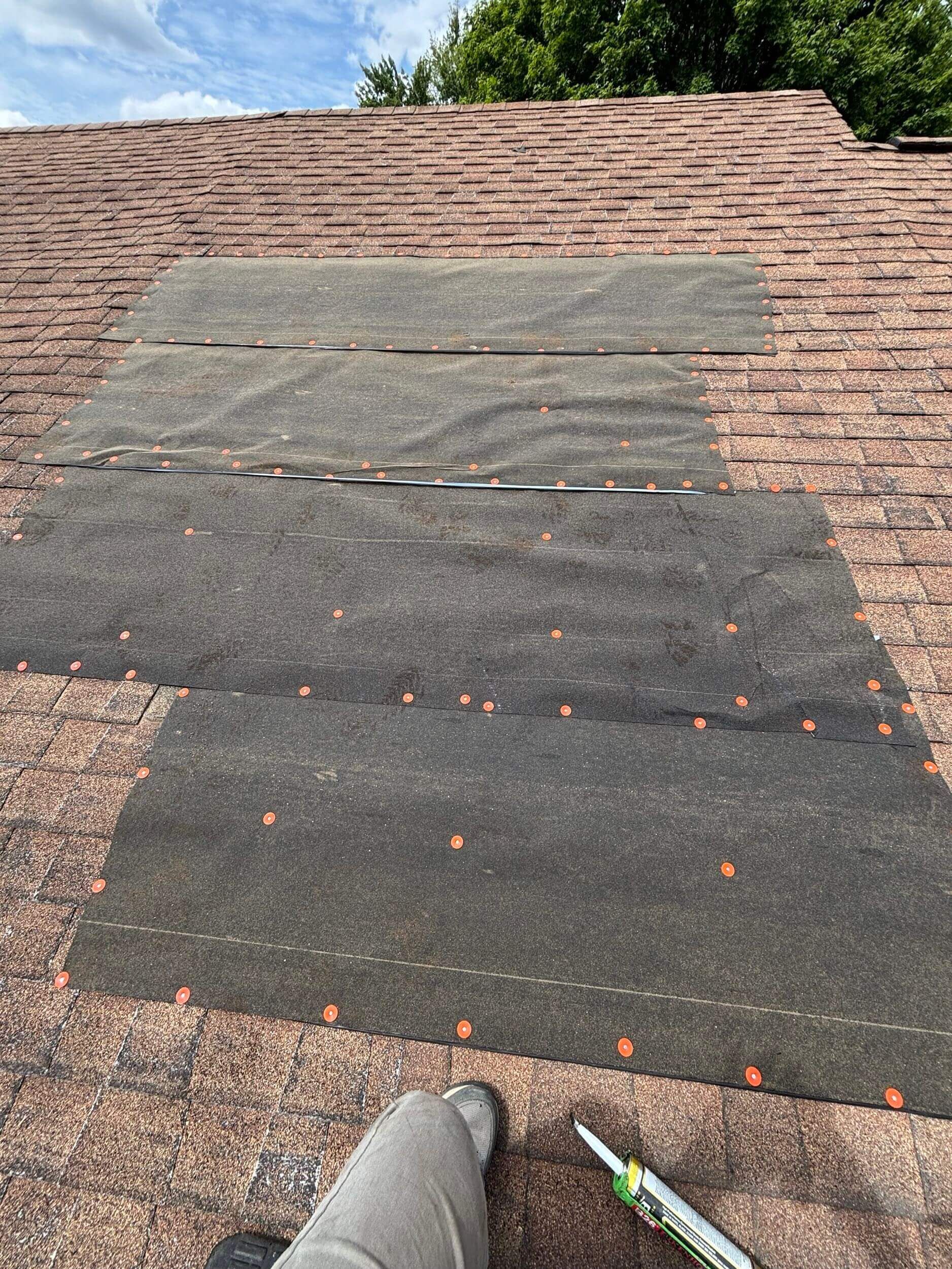
- Tarping damaged roof sections: Use heavy-duty tarps secured with lumber and roofing nails to prevent water intrusion
- Boarding broken windows: Cover openings with plywood to protect against weather and potential intrusion
- Placing buckets or containers: Catch active leaks to minimize water damage
- Moving valuables: Relocate belongings away from affected areas
- Setting up fans or dehumidifiers: Reduce moisture to prevent mold growth (only if safe to power these devices)
Document all temporary repairs with photos and receipts, as these costs are typically reimbursable under homeowners’ insurance policies. Document Everything Thoroughly Comprehensive documentation is essential for successful insurance claims for storm damage. Insurance companies require clear evidence of damage and pre-existing conditions to process claims efficiently. Create a complete damage inventory:
- Take extensive photos and videos from multiple angles
- Capture wide shots showing context and close-ups of specific damage
- Document damage to structures, landscaping, and personal property
- Save weather reports or news coverage of the storm event
- Keep all receipts for emergency repairs and temporary lodging
- Note the date and time damage was discovered
- Create a written inventory describing each damaged item
Conducting a Professional Home Storm Damage Assessment
Preliminary self-inspections help you understand the scope of damage, and professional assessments uncover hidden issues that untrained eyes might miss. Many problems, particularly with roofing systems and structural components, only become apparent to experienced contractors. What Professional Inspectors Evaluate Licensed contractors conducting storm damage assessments examine your property systematically to identify all repair needs. Comprehensive inspection areas:
| Inspection Zone | Key Focus Areas | Common Hidden Issues |
| Roof System | Shingle integrity, flashing, decking, and ventilation | Decking deterioration, compromised underlayment, inadequate ventilation |
| Gutters & Drainage | Proper slope, secure attachment, and downspout function | Separated seams, inadequate drainage direction |
| Gutters & Drainage | Siding damage, foundation cracks, and window seals | Water intrusion behind siding, compromised weather barriers |
| Attic & Interior | Insulation condition, moisture presence, and ceiling stains | Hidden leaks, inadequate insulation, and mold growth |
| Structural Elements | Framing integrity, support beams, load-bearing walls | Shifted supports, compromised structural members |
Understanding Coverage Limitations
Standard homeowners’ insurance policies typically cover sudden storm damage but include specific limitations and exclusions that can surprise unprepared homeowners. Common coverage considerations:
- Actual Cash Value vs. Replacement Cost: ACV factors in depreciation, while replacement cost pays to replace items with new equivalents
- Matching Issues: Some policies limit funds for matching undamaged sections when materials are discontinued
- Code Upgrades: Bringing repairs up to current building codes may not be fully covered without additional endorsements
- Landscaping Limits: Tree and plant damage often has percentage or dollar limitations
- Detached Structures: Garages, sheds, and fences may have separate coverage limits
Essential Storm Damage Repair Processes
Once assessment and insurance processes are underway, actual restoration work begins. Understanding proper repair procedures ensures quality workmanship that protects your home long-term.
Roof Repair After Storm Events
Your roof is your home’s primary defense against weather, making proper emergency storm repairs to this system absolutely critical. Professional roof repair typically involves:
- Complete damage assessment: Inspecting not just visible damage but underlayment, decking, and structural supports
- Decking repairs: Replacing any compromised plywood or OSB sheathing
- Underlayment installation: Applying new water-resistant barriers before shingles
- Flashing replacement: Installing proper metal flashing around chimneys, vents, and roof valleys
- Shingle installation: Using manufacturer-approved methods to ensure warranty compliance
- Final inspection: Checking for proper sealing, alignment, and secure attachment
Quality roofing contractors follow manufacturer specifications exactly, as improper installation can void warranties and lead to premature failure.
Siding and Exterior Repairs
Damaged siding compromises your home’s weather barrier and can lead to moisture problems, energy loss, and pest intrusion if not properly addressed. Siding repair considerations:
- Matching existing materials can be challenging with discontinued products
- Color fading on existing siding may make new sections visibly different
- Some damage may require removing multiple courses to access and replace affected areas
- Proper installation includes weather-resistant barriers and appropriate fastening
- Vinyl siding repairs are often more affordable than wood or fiber cement
Water Damage Remediation
Any water damage from storms requires prompt attention to prevent mold growth and structural deterioration. Professional water damage restoration follows specific protocols to ensure complete drying and prevent health hazards. Water damage restoration steps:
- Water extraction: Removing standing water using pumps and wet vacuums
- Structural drying: Using commercial dehumidifiers and air movers to dry building materials
- Moisture monitoring: Testing materials with moisture meters to confirm complete drying
- Content restoration: Cleaning and drying salvageable personal belongings
- Antimicrobial treatment: Applying products to prevent mold growth
- Reconstruction: Replacing materials too damaged to salvage
Professional water damage companies typically monitor moisture levels over several days to ensure thorough drying before rebuilding begins.
Storm Damage Prevention Tips for Future Protection
Michigan homeowners cannot prevent severe weather, but proactive maintenance and strategic improvements can significantly reduce vulnerability to storm damage. Regular Maintenance That Prevents Damage Consistent home maintenance addresses small issues before storms turn them into major problems. Critical preventive maintenance tasks:
- Quarterly roof inspections: Check for loose, damaged, or missing shingles
- Annual professional roof inspection: Have licensed contractors examine your entire roofing system
- Gutter cleaning: Clear debris at least twice yearly (spring and fall) to ensure proper drainage
- Tree trimming: Remove dead branches and trim back limbs hanging over your roof
- Caulking and sealing: Maintain weather seals around windows, doors, and penetrations
- Siding inspection: Look for cracks, loose panels, or areas where moisture could penetrate
- Attic ventilation check: Ensure proper airflow to prevent moisture buildup
Strategic Home Improvements
Certain upgrades provide enhanced storm resistance beyond standard construction materials. Storm-resistant improvements include:
- Impact-resistant shingles: Class 4-rated shingles offer superior hail protection and may qualify for insurance discounts
- Metal roofing: Highly durable and wind-resistant when properly installed
- Hurricane straps: Reinforce roof-to-wall connections in high-wind areas
- Storm shutters: Protect windows from flying debris
- Reinforced garage doors: Prevent wind from entering your home through failed garage doors
- Proper drainage systems: French drains, proper grading, and adequate downspout extensions prevent water damage
Many insurance companies offer premium discounts for homes with certified storm-resistant features, potentially offsetting upgrade costs over time.
Protecting Your Lansing Area Home: Trust Experience That Matters
When severe weather damages your Michigan home, the restoration process can feel overwhelming. From navigating insurance claims to selecting trustworthy contractors and ensuring repairs protect your investment for years to come, every decision carries weight. The guidance in this article provides the foundation for making informed choices during a stressful time. For over four decades, Lansing-area homeowners have relied on established, local professionals who understand Michigan’s unique weather challenges and building requirements. As a member of the Home Builders Association of Greater Lansing and backed by comprehensive licensing and insurance, Brunette Home Improvement has been transforming homes since 1982, long before storm-chasing contractors became a concern. This longevity reflects a commitment to quality workmanship, transparent communication, and standing behind every project. Whether you’re dealing with immediate storm damage or want to enhance your home’s resilience against future severe weather, working with experienced local contractors who will be there long after repairs are complete provides peace of mind that matters most when protecting your family and investment. Contact Brunette Home Improvement today for a comprehensive storm damage assessment or to discuss preventive improvements that protect your home. With decades of experience serving the greater Lansing community, their team combines technical expertise with the personal service that comes from being your neighbors.
Frequently Asked Questions About Storm Damage Repair
How soon after a storm should I inspect my home?
As soon as conditions are safe, ideally within 24 hours. The sooner you inspect and document any damage, the better your chances for effective repairs and smoother insurance claims.
Can I do storm damage repairs myself, or should I always hire a professional?
You can safely handle basic tasks such as exterior observation, debris cleanup, gutter clearing, and temporary tarping. But for roofing repairs, structural damage, or water intrusion, it’s best to hire a licensed professional to ensure safety and compliance with building standards.
What are the most common signs of roof damage after a storm?
Look for missing or cracked shingles, dents or punctures (especially from hail), granule loss (often visible in gutters), damaged flashing around vents or skylights, and water stains or leaks inside the attic or ceilings.
If I patch a damaged roof with a tarp, is that enough?
No, tarp or temporary coverings are only a stopgap to prevent further damage. Permanent repair by a qualified contractor is essential to restore your home’s integrity and prevent leaks, mold, or structural problems.
Should I document damage even if repairs seem minor?
Yes, always document exterior and interior damage (photos/videos + notes). This helps with insurance claims and ensures an accurate repair scope if issues worsen later.
What can happen if I ignore storm damage?
Ignoring storm damage can lead to leaks, mold, decay of structural materials, damage to insulation, compromised energy efficiency, and even long-term foundation or structural issues all of which can be far more expensive than timely repairs.
How do I choose a reliable contractor for storm damage repair?
Verify that the contractor is licensed and insured, has a proven track record (especially in storm damage restoration), provides clear documentation and estimates, and is willing to show before-and-after photos or references. Avoid door-to-door “storm-chaser” offers.
Are there home upgrades I can do to better protect against future storms?
Yes, consider impact-resistant roofing materials and windows, reinforce siding or exterior structures, maintain trees and landscaping, and ensure gutters and drainage systems are clear and functional. Regular maintenance and periodic inspections also make your home more resilient against future storms.
Recent Posts