Michigan winters are no joke. With heavy snowfall, biting winds, and temperature swings that can dip below freezing for months, your roof bears the brunt of Mother Nature’s fury. From the snowy Upper Peninsula to the blustery shores of Lake Michigan, and right here in the Lansing area, where ice storms and heavy snow loads are all too common, homeowners face unique challenges like ice dams, snow accumulation, and moisture damage that can lead to costly repairs. Choosing the right roofing material isn’t just about aesthetics; it’s about durability, energy efficiency, and long-term protection against the elements. In this blog, we’ll explore the top options for
durable roofing for Michigan winters, helping you make an informed decision to safeguard your home.
Understanding Michigan’s winter climate is key to selecting cold-weather roofing materials in Michigan. The state averages 40-70 inches of snow annually, with some areas like the Keweenaw Peninsula seeing over 200 inches. In Lansing, where winters bring frequent freeze-thaw cycles and wind-driven snow, this leads to issues like ice damming, where melting snow refreezes at the roof’s edge, potentially causing leaks and structural damage. High winds can uplift shingles, and those rapid temperature changes expand cracks in weaker materials. That’s why Michigan winter roof options must prioritize snow-shedding ability, insulation value, and resistance to moisture. Factors like roof pitch, local building codes, and energy codes (such as Michigan’s adoption of the International Energy Conservation Code) also play a role in material selection.
Top Roofing Materials for Harsh Michigan Winters
When evaluating the best roofs for snowy climates in Michigan, several materials stand out for their performance in cold, wet conditions. We’ll break down the pros, cons, costs, and suitability for Michigan’s environment, focusing on winter-resistant roofing Michigan homeowners swear by.
Metal Roofing: A Top Choice for Snowy Conditions
Metal roofing has surged in popularity as one of the best options for long-lasting roofing materials, and Michigan residents choose it for winter resilience. Made from steel, aluminum, or copper, metal roofs excel in shedding snow and ice due to their smooth, slick surface. This minimizes ice dam formation, a common problem in Michigan where temperatures fluctuate around freezing.
Pros:
- Exceptional durability: Lasts 40-70 years, outpacing many alternatives.
- Snow and ice resistance: Snow slides off easily, reducing weight stress on your home’s structure.
- Energy efficiency: Reflective surfaces keep homes cooler in summer and can be paired with insulation for better winter heat retention.
- Wind resistance: Handles gusts up to 140 mph, ideal for Michigan’s stormy damage.
- Low maintenance: Resists rust with proper coatings and doesn’t crack from freeze-thaw cycles.
Cons:
- Noise: Can be louder during hail or heavy rain without added insulation.
- Expansion/contraction: Metal can expand in heat and contract in cold, requiring expert installation to avoid issues.
In Michigan, metal roofing is particularly suited for rural or lakeside homes where heavy snow loads are common. According to the Metal Roofing Alliance, homes with metal roofs can save up to 25% on energy bills in cold climates by reducing heat loss. For those seeking energy-efficient roofs for Michigan winters, consider standing seam metal panels, which offer seamless protection against leaks.
Asphalt Shingles: Affordable and Versatile for Michigan Homes
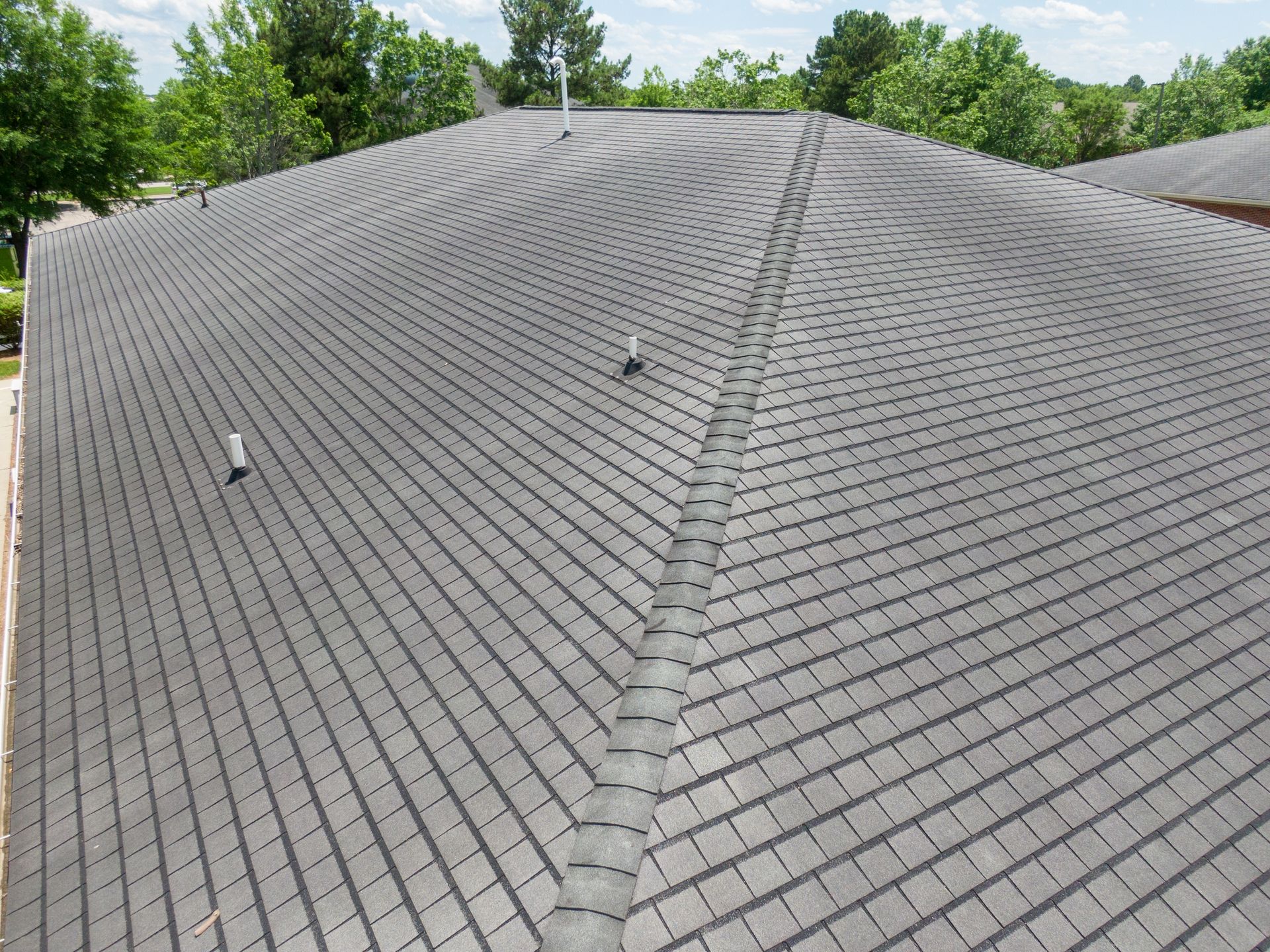
Asphalt shingles remain the most common Michigan roofing for harsh winters due to their balance of cost and performance. These fiberglass-based shingles come in architectural (dimensional) or three-tab styles, with impact-resistant variants designed for hail-prone areas.
Pros:
- Easy installation: Quick to install, even in Michigan’s variable weather.
- Variety: Available in colors and styles to match any home aesthetic.
- Good insulation: Helps retain heat, contributing to energy savings.
- Warranty options: Many come with 30-50 year warranties against wind and algae.
Cons:
- Shorter lifespan: 20-30 years in Michigan’s extreme weather.
- Susceptible to ice dams: Requires proper ventilation and ice shields to prevent damage.
- Wind vulnerability: Standard shingles may lift in high winds; opt for high-wind-rated ones.
For cold-weather roofing materials in Michigan, architectural shingles with algae-resistant granules are ideal, as they handle humidity and prevent black streaks from roof runoff. The Asphalt Roofing Manufacturers Association notes that over 80% of U.S. homes use asphalt shingles, and in Michigan, they’re favored for their adaptability to freeze-thaw cycles when installed with underlayment.
Slate Roofing: Premium Durability for Long-Term Protection
Slate, a natural stone material, offers timeless elegance and unmatched longevity, making it one of the best roofs for snowy climates Michigan historic homes often feature.
Pros:
- Extreme longevity: Can last 75-200 years with proper care.
- Fire-resistant and eco-friendly: Recyclable Natural material.
- Excellent snow-shedding: Smooth surface prevents accumulation.
- Aesthetic appeal: Adds value to upscale properties.
Cons:
- Heavyweight: Requires a reinforced roof structure, which may not suit all homes.
- Brittleness: Can crack if walked on improperly during maintenance.
In Michigan, slate is best for steeper roofs where snow load is a concern. It’s particularly popular in areas like Ann Arbor or Detroit suburbs for its classic look and resistance to winter elements. For Lansing homeowners dealing with variable weather, slate’s density provides excellent thermal mass, helping stabilize indoor temperatures.
Clay and Concrete Tiles: Sturdy Options for Windy Winters
These interlocking tiles provide a Mediterranean flair while standing up to Michigan’s winds and snow.
Pros:
- Thermal mass: Excellent insulation for energy-efficient roofs in Michigan winters is required.
- Wind and fire resistance: Holds up in gusty conditions.
- Low maintenance: Resists mold and insects.
Cons:
- Weight: Like slate, needs structural support.
- Brittleness in cold: Can crack in severe freezes if not high-quality.
Ideal for southern Michigan, where winters are milder but still harsh, tiles shed snow well on pitched roofs. In wind-prone areas around Lansing, their interlocking design adds extra security against uplift.
Wood Shakes and Shingles: Natural Charm with Winter Considerations
Wood options, typically cedar, offer rustic appeal but require more upkeep in humid, snowy Michigan.
Pros:
- Natural insulation: Keeps homes warm.
- Aesthetic: Blends with wooded or cabin-style homes.
- Eco-friendly: Renewable resource.
Cons:
- Maintenance-intensive: Prone to rot, insects, and fire without treatments.
- Lifespan: 20-40 years.
Best for well-ventilated roofs to prevent moisture buildup. In Michigan’s damp winters, treated wood shakes can perform well but demand regular inspections.
Synthetic and Rubber Roofing: Modern Alternatives
For flat or low-slope roofs common in commercial or modern homes, EPDM rubber or synthetic composites provide flexible, waterproof options.
Pros:
- Waterproof: Excellent for ice dam prevention.
- Lightweight and durable: 30-50 years.
- Cost-effective for flats: $4-8 per square foot.
Cons:
- Less aesthetic for residential.
- UV degradation over time.
These are gaining traction in urban Michigan areas for their adaptability to cold-weather roofing materials in Michigan, especially where traditional materials fall short.
Installation and Maintenance Tips for Winter-Ready Roofs
Proper installation is crucial for Michigan winter roof options. Always hire licensed and insured contractors who understand local codes, such as those from the Michigan Bureau of Construction Codes. Key tips:
- Install ice and water shields along eaves and valleys to combat ice dams, especially in Lansing, where ice buildup is prevalent.
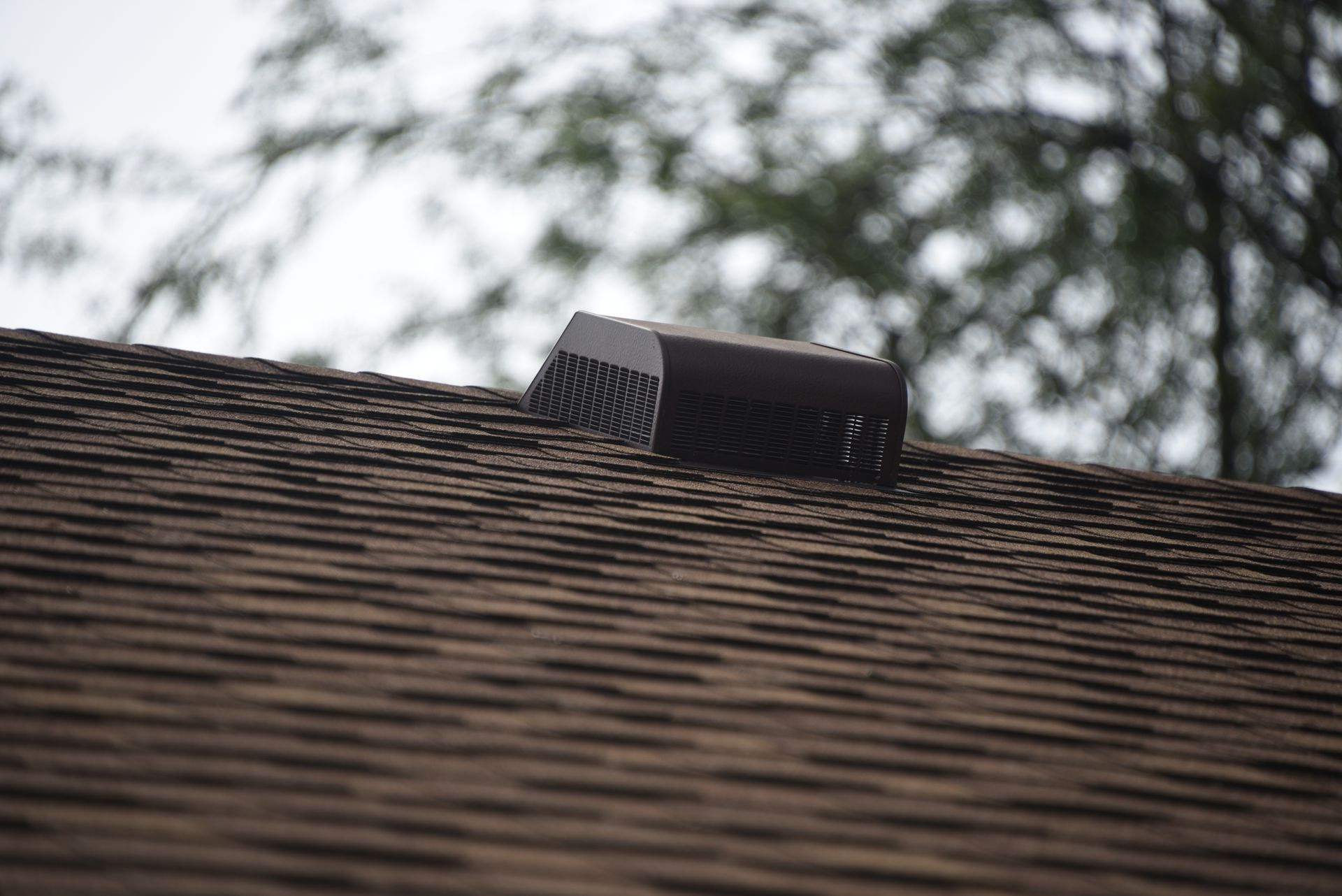
- Ensure adequate attic ventilation to prevent condensation and mold.
- Choose steeper pitches (at least 4:12) for better snow shedding.
- For maintenance, inspect annually for cracks, clear debris, and treat for algae. In Michigan’s climate, fall inspections are ideal to prepare for winter.
Factor in energy savings, and energy-efficient roofs can qualify for rebates via programs like ENERGY STAR. Additionally, consider storm damage potential; Michigan’s severe weather often requires reinforced underlayment.
Enhancing Energy Efficiency in Cold Climates
Michigan’s long winters mean heating bills skyrocket, so opt for materials with high R-values or reflective properties. Metal and tile roofs pair well with solar panels, reducing carbon footprints. For Lansing homes, where energy costs are a concern, integrating proper insulation during installation can cut bills by 20-30%, per ENERGY STAR guidelines.
Choosing the Best Roofing for Michigan Winters
Selecting the best roofing materials for Michigan winters boils down to balancing durability, cost, and your home’s needs against the state’s unforgiving cold. Whether you lean toward the longevity of metal or the affordability of asphalt, investing in quality now prevents headaches later.
At Brunette Home Improvement, we have been transforming homes across Lansing, MI, for over 40 years. Our history, bringing expertise in Michigan-specific roofing solutions, is backed by our credentials, including membership in the Greater Lansing Home Builders Association, fully licensed and insured builder status, and specialized certifications such as Malarkey “Emerald Pro Contractor” and Tenured Select Master Shingle Applicator. As local experts, we’ve helped countless homeowners weather the toughest winters with reliable installations and maintenance. Call at 517-327-1005 or contact Brunette Home Improvement today for a consultation and personalized recommendations to protect your home!