
Complete Roofing Services in Lansing, MI
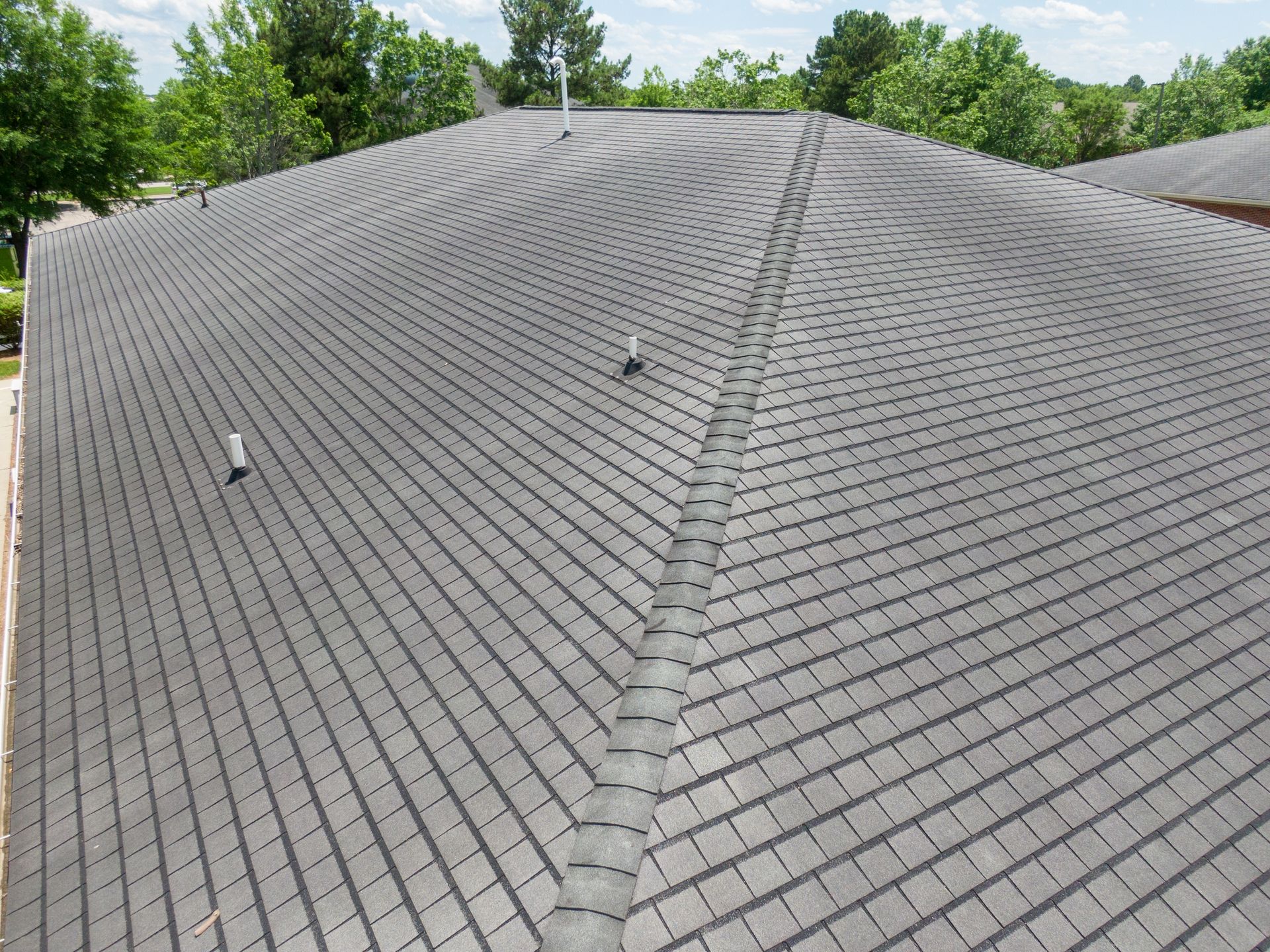
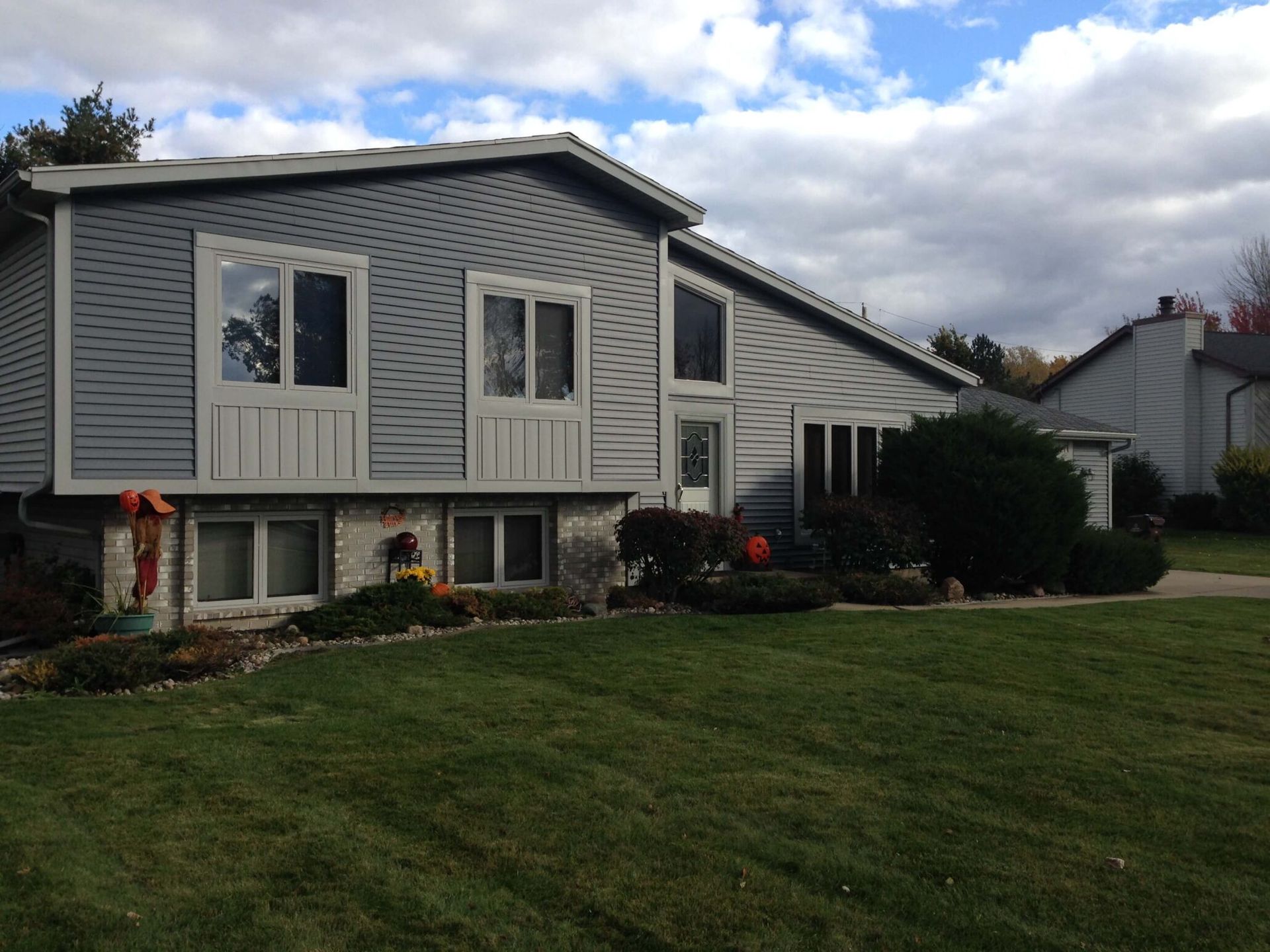
Homeowners in Lansing, MI face unique roofing challenges from heavy snow loads, ice dams, and severe summer storms that demand durable materials and expert installation. Complete roofing services address everything from emergency repairs to full system replacements, ensuring your home stays protected year-round. Many residents searching for roofing help near me discover that local expertise makes all the difference when navigating Michigan's unpredictable weather patterns.
How Does Roof Replacement Work in Lansing?
Roof replacement involves removing old shingles, inspecting the deck and underlayment, and installing a new roofing system designed to withstand local climate conditions.
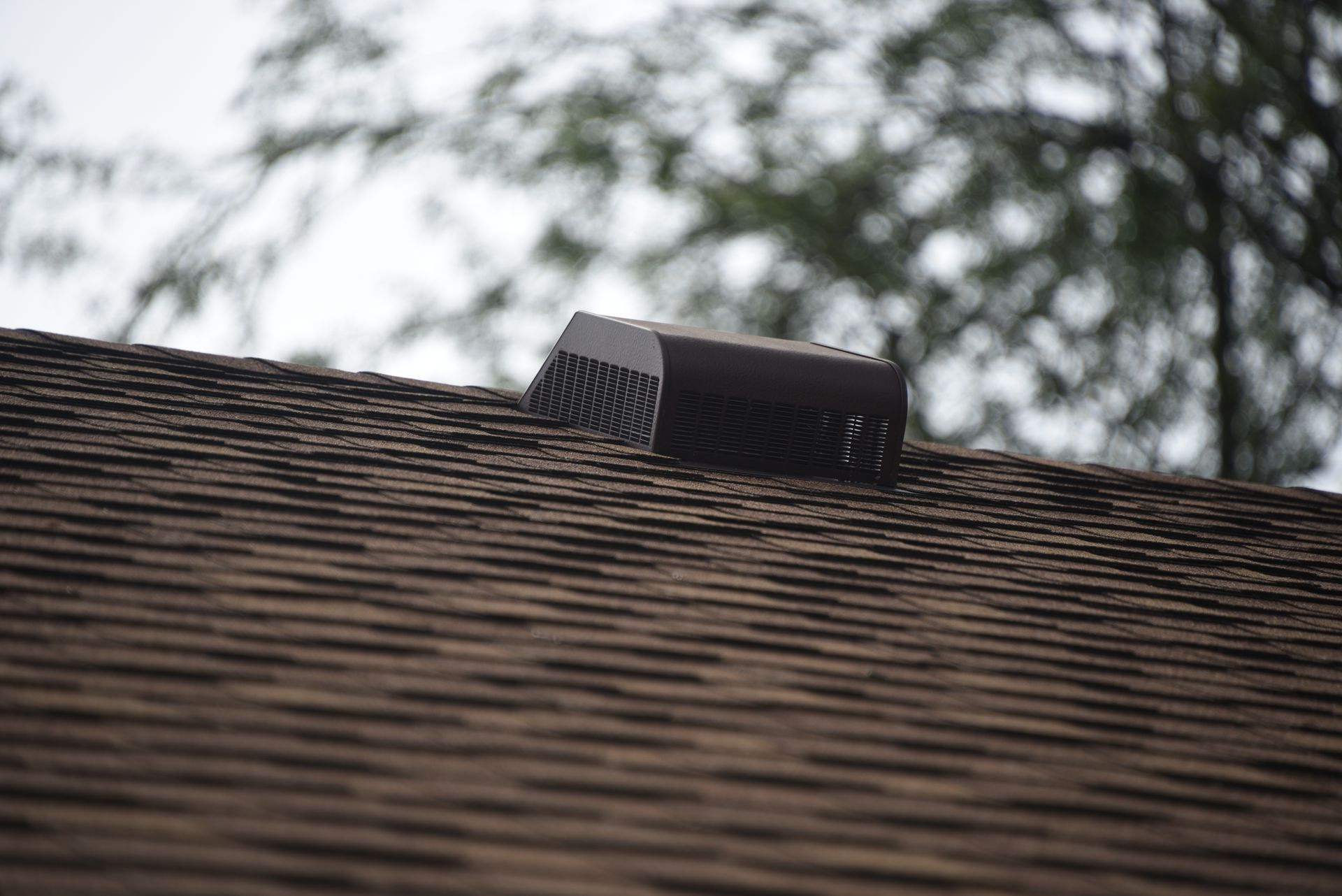
The process begins with a thorough inspection of your existing roof to identify structural issues, ventilation problems, or water damage that could compromise the new installation. Contractors evaluate the decking, flashing, and drainage systems to ensure a solid foundation. In Lansing, proper ventilation is critical because inadequate airflow can lead to ice dam formation during winter months.
Once the old materials are removed, crews install high-quality underlayment and ice-and-water shield in vulnerable areas like valleys and eaves. Asphalt shingles remain the most popular choice due to their balance of durability and cost-effectiveness, though metal roofing is gaining traction for its longevity. The final step includes installing ridge vents and ensuring all flashing is properly sealed to prevent leaks.
When Should You Schedule a Roof Inspection?
Schedule a roof inspection after major storms, before buying or selling a home, or if your roof is approaching 15 to 20 years old.
Storm damage often goes unnoticed until leaks appear inside your home, making post-storm inspections essential for catching issues early. High winds can lift shingles, hail can create bruising that shortens roof lifespan, and heavy snow can stress structural components. Professional inspectors look for missing granules, cracked shingles, damaged flashing, and signs of water infiltration.
Regular inspections also help you plan for future replacements and maintain your roof's warranty coverage. Many insurance policies require documentation of routine maintenance, and catching small problems early prevents costly emergency repairs. Lansing's freeze-thaw cycles accelerate wear on roofing materials, making biannual inspections a smart investment for homeowners who want to explore roofing options in Lansing, MI before minor issues escalate.
Which Roofing Materials Perform Best in Michigan Weather?
Asphalt shingles, metal roofing, and architectural shingles offer the best performance in Michigan's climate due to their durability and weather resistance.
Asphalt shingles are the most common choice because they handle temperature fluctuations well and come in a wide range of colors and styles. Architectural shingles provide enhanced wind resistance and a longer lifespan compared to standard three-tab options. Metal roofing excels in shedding snow and ice, reducing the risk of ice dams and structural stress during heavy winter storms.
Each material has specific installation requirements and maintenance needs. Metal roofs require proper insulation to prevent condensation, while asphalt shingles need adequate ventilation to avoid premature aging. Flat roofing systems demand specialized waterproofing techniques to handle Michigan's heavy rainfall and snowmelt. Choosing the right material depends on your home's architecture, budget, and long-term maintenance preferences.
What Causes Roof Leaks in Lansing Homes?
Roof leaks typically result from damaged flashing, missing shingles, clogged gutters, or deteriorated underlayment that allows water to penetrate the roof deck.
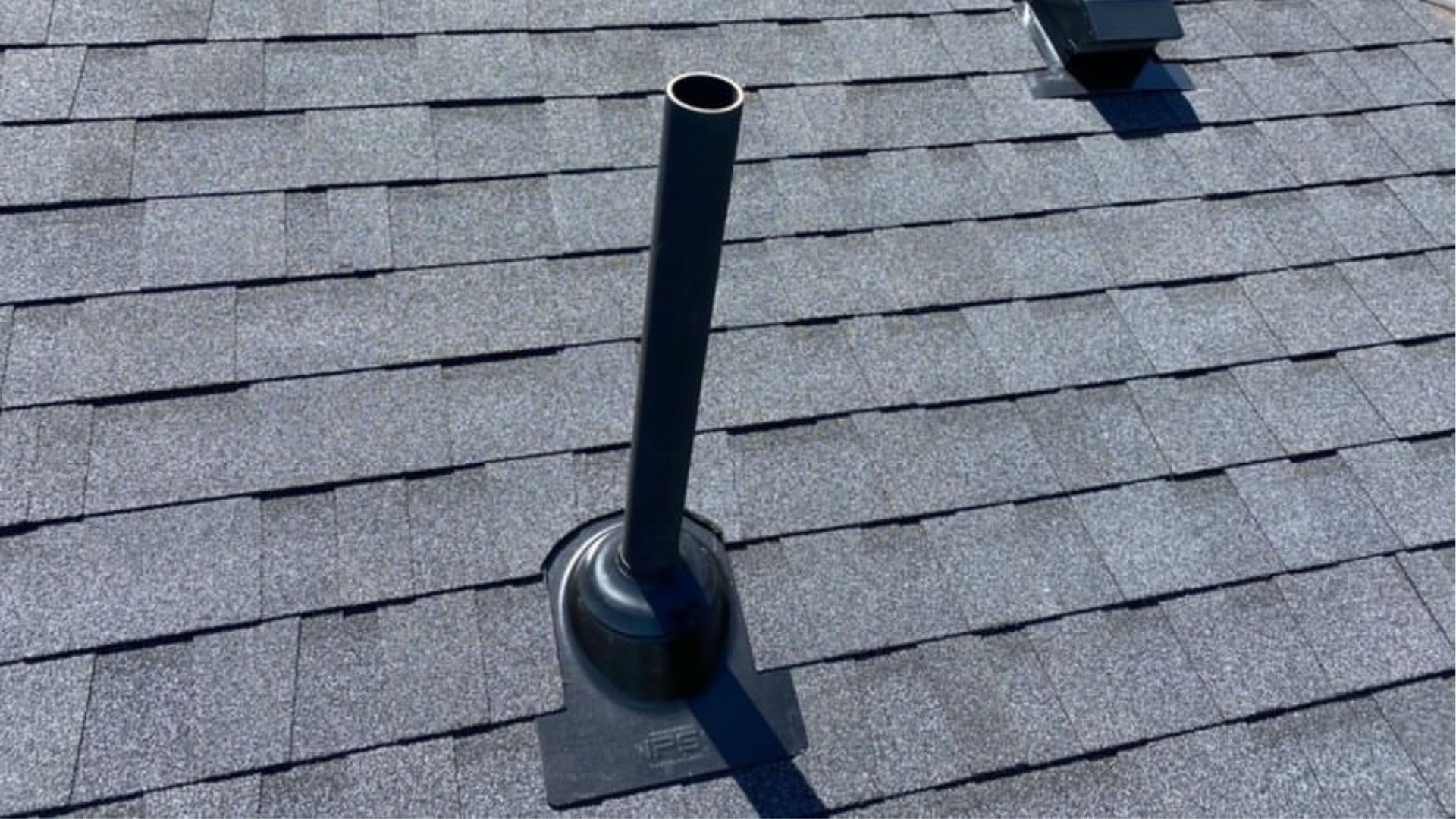
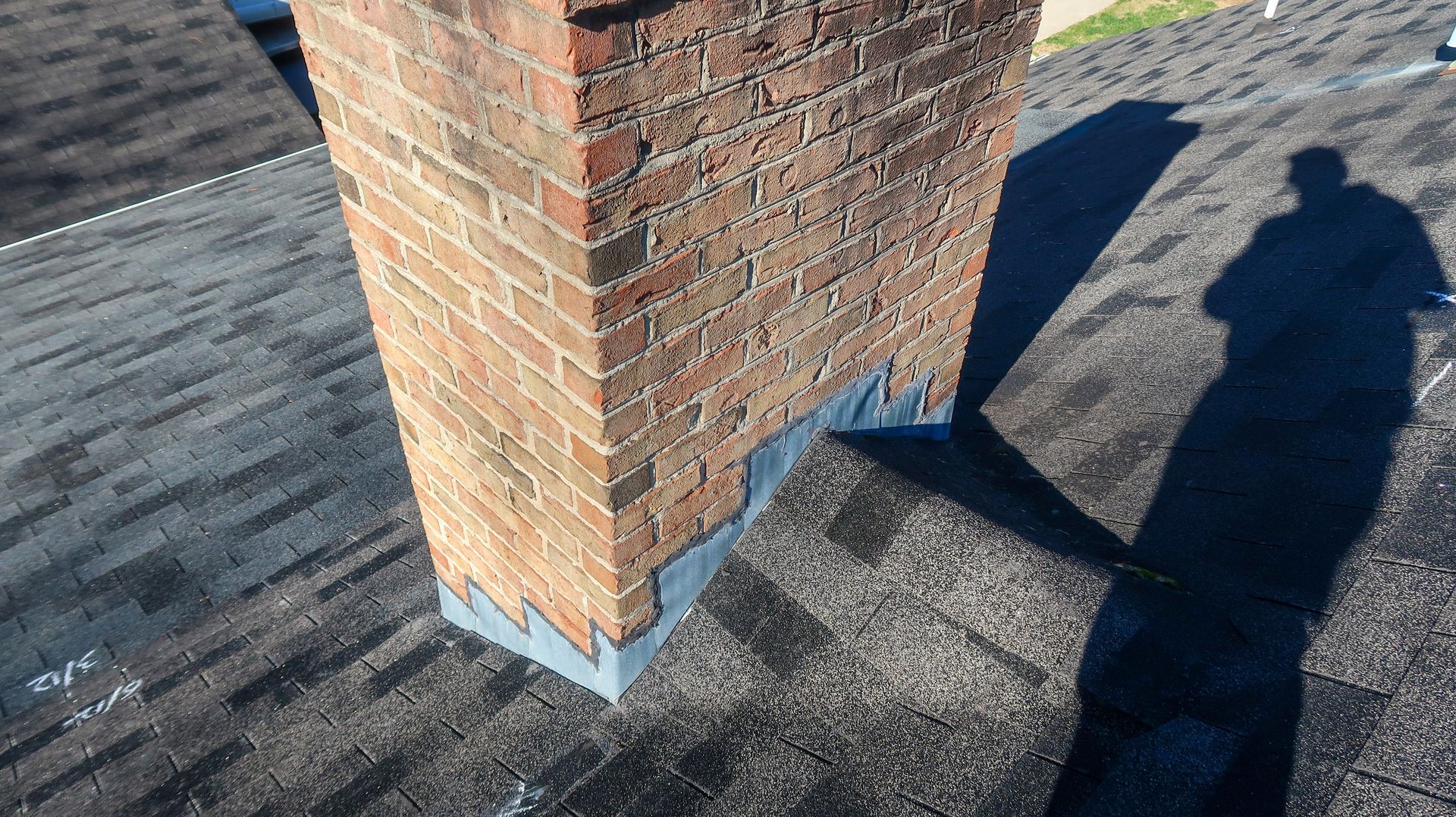
Flashing around chimneys, skylights, and vent pipes is a common failure point because sealants break down over time and metal can corrode. Missing or damaged shingles create direct pathways for water, especially during wind-driven rain. Clogged gutters cause water to back up under shingles, leading to rot in the fascia and soffit areas.
Ice dams are a particular concern in Lansing because they form when heat escapes through the roof, melting snow that refreezes at the eaves. This ice buildup forces water under shingles and into the attic space. Proper attic insulation and ventilation prevent heat loss, while ice-and-water shield provides an extra layer of protection in vulnerable areas. Addressing these issues promptly prevents extensive interior damage and mold growth.
Do Lansing Building Codes Affect Roofing Projects?
Lansing building codes require permits for most roofing projects and mandate specific installation standards for wind resistance, fire rating, and structural integrity.
Permits ensure that roofing work meets local safety standards and allows inspectors to verify proper installation techniques. Code requirements cover everything from minimum shingle ratings to proper ventilation ratios and ice dam prevention measures. Contractors must follow manufacturer specifications to maintain warranty coverage and comply with local regulations.
Working with licensed contractors who understand Lansing's building codes protects you from liability and ensures your roof meets insurance requirements. Unpermitted work can complicate home sales and void warranties, leaving you responsible for future repairs. Professional roofers handle permit applications and coordinate inspections, streamlining the process and ensuring compliance with all local regulations.
How Lansing's Climate Impacts Roof Longevity
Lansing's freeze-thaw cycles, heavy snow loads, and summer heat accelerate roof aging by causing shingle expansion and contraction that leads to cracking and granule loss.
Winter temperatures that swing above and below freezing create stress on roofing materials as they expand and contract repeatedly. Snow accumulation adds weight that can strain structural components, while ice dams trap moisture against shingles. Summer heat causes asphalt shingles to become brittle over time, reducing their flexibility and increasing the risk of wind damage.
Proper installation techniques and quality materials extend roof lifespan despite these challenges. Adequate ventilation prevents heat buildup in summer and ice dam formation in winter. Regular maintenance, including gutter cleaning and debris removal, helps your roof perform optimally throughout the year. Homeowners who want to find storm damage repair help in Lansing, MI after severe weather should act quickly to prevent secondary damage from compromised roofing systems.
Protecting your home starts with a roof that can handle Michigan's demanding climate and changing seasons. Brunette Home Improvement provides comprehensive roofing services tailored to Lansing's unique weather challenges. Schedule your inspection today at .