
Roof Repair Solutions for Storm Damage in Lansing, MI
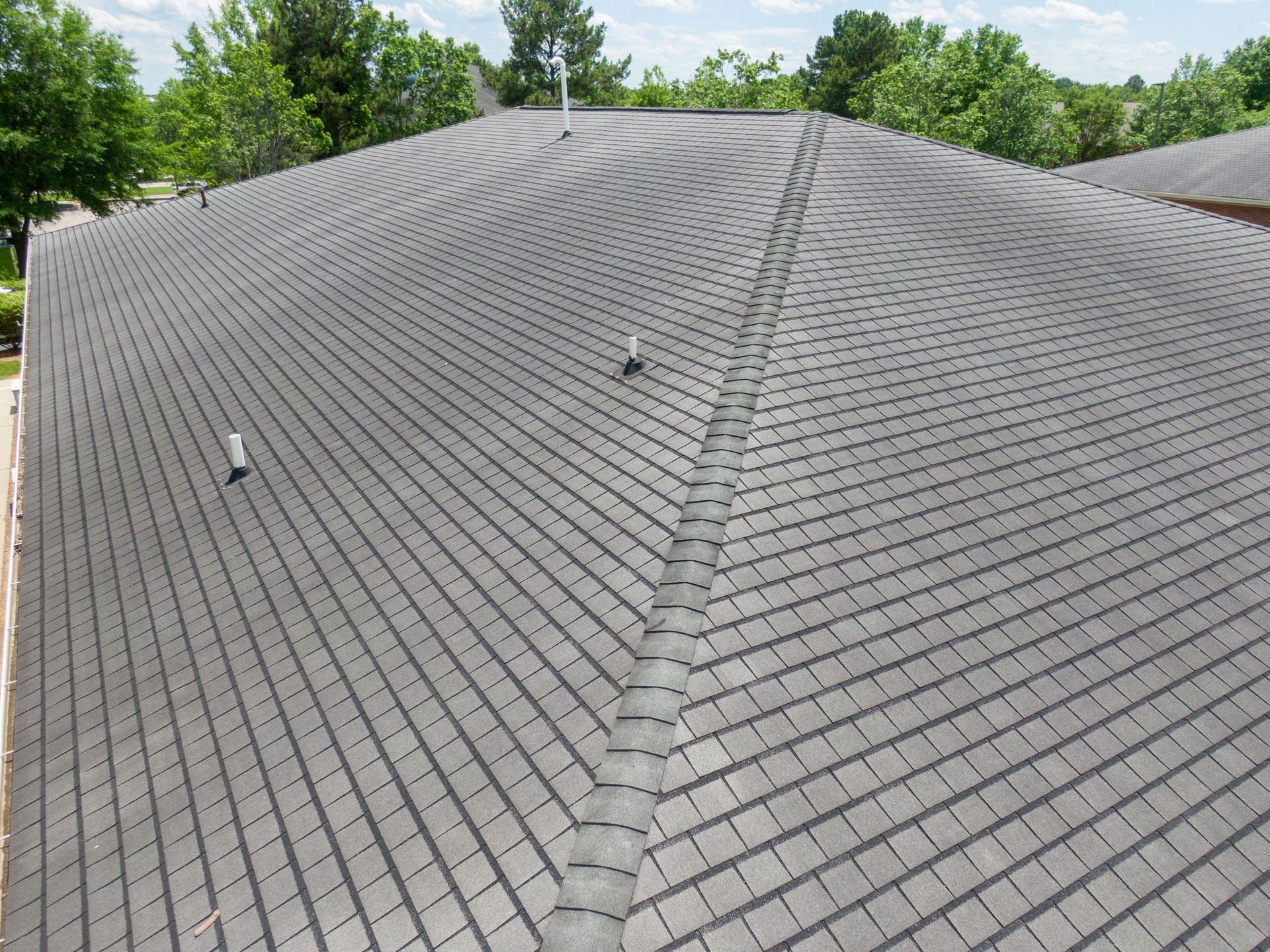
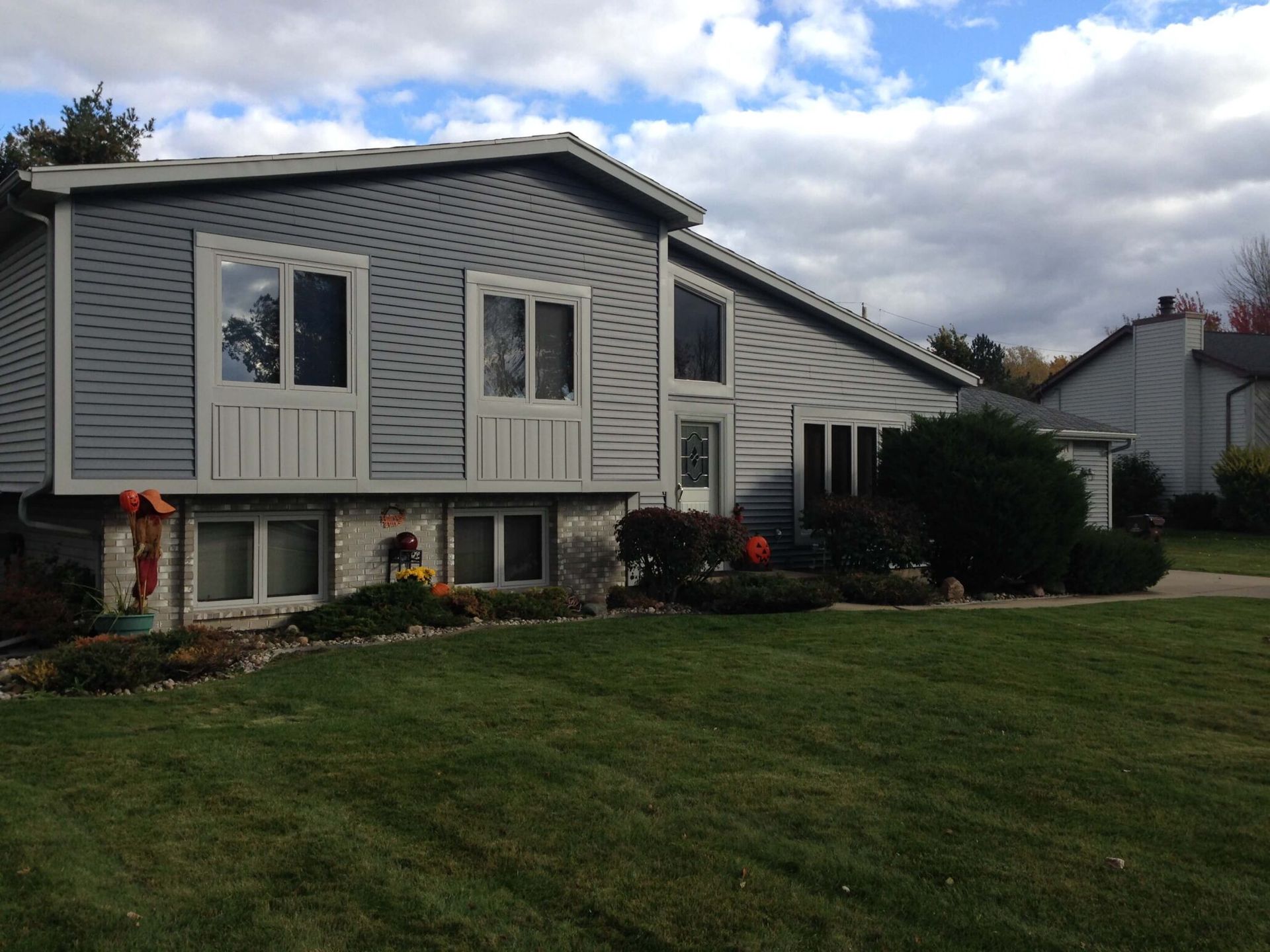
Roof repair in Lansing, MI targets leaks, missing shingles, damaged flashing, and ventilation issues caused by severe weather, with thorough inspections identifying root causes to deliver lasting solutions. Professional contractors assess storm damage from wind, hail, and fallen branches, then execute repairs that restore structural integrity and prevent future water intrusion during Michigan's freeze-thaw cycles.
How do contractors identify the source of roof leaks in Lansing?
Contractors trace leaks by inspecting attic spaces for water stains, checking flashing around penetrations, and examining shingle condition to pinpoint entry points.
Water rarely enters a home directly below the visible leak. It often travels along rafters or roof decking before dripping into the attic or ceiling. Roofers begin by examining the attic for water stains, mold growth, or damp insulation, which indicate the general area of the leak. They then move to the roof surface to inspect shingles for cracks, missing tabs, or lifted edges near the suspected entry point.
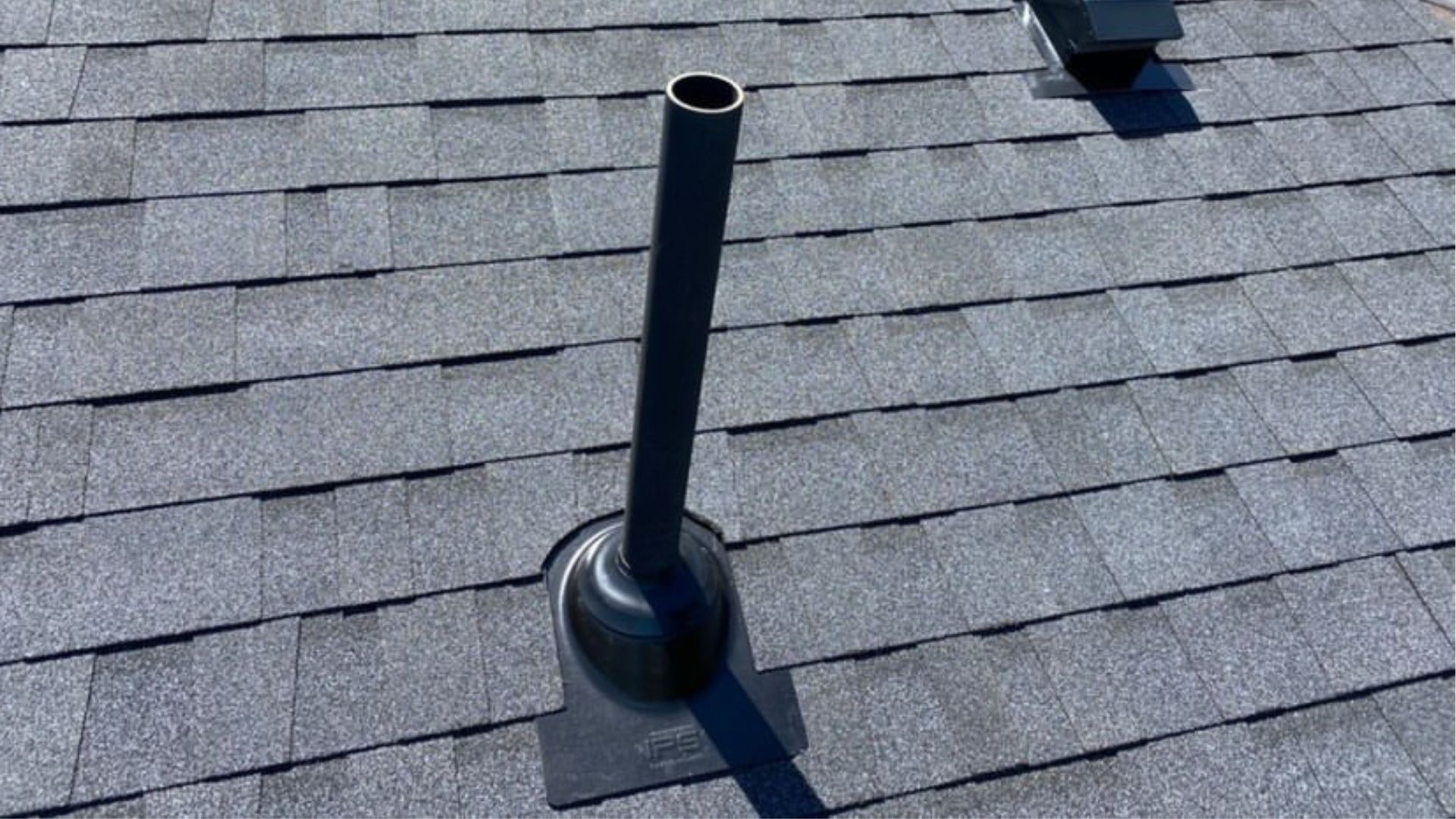
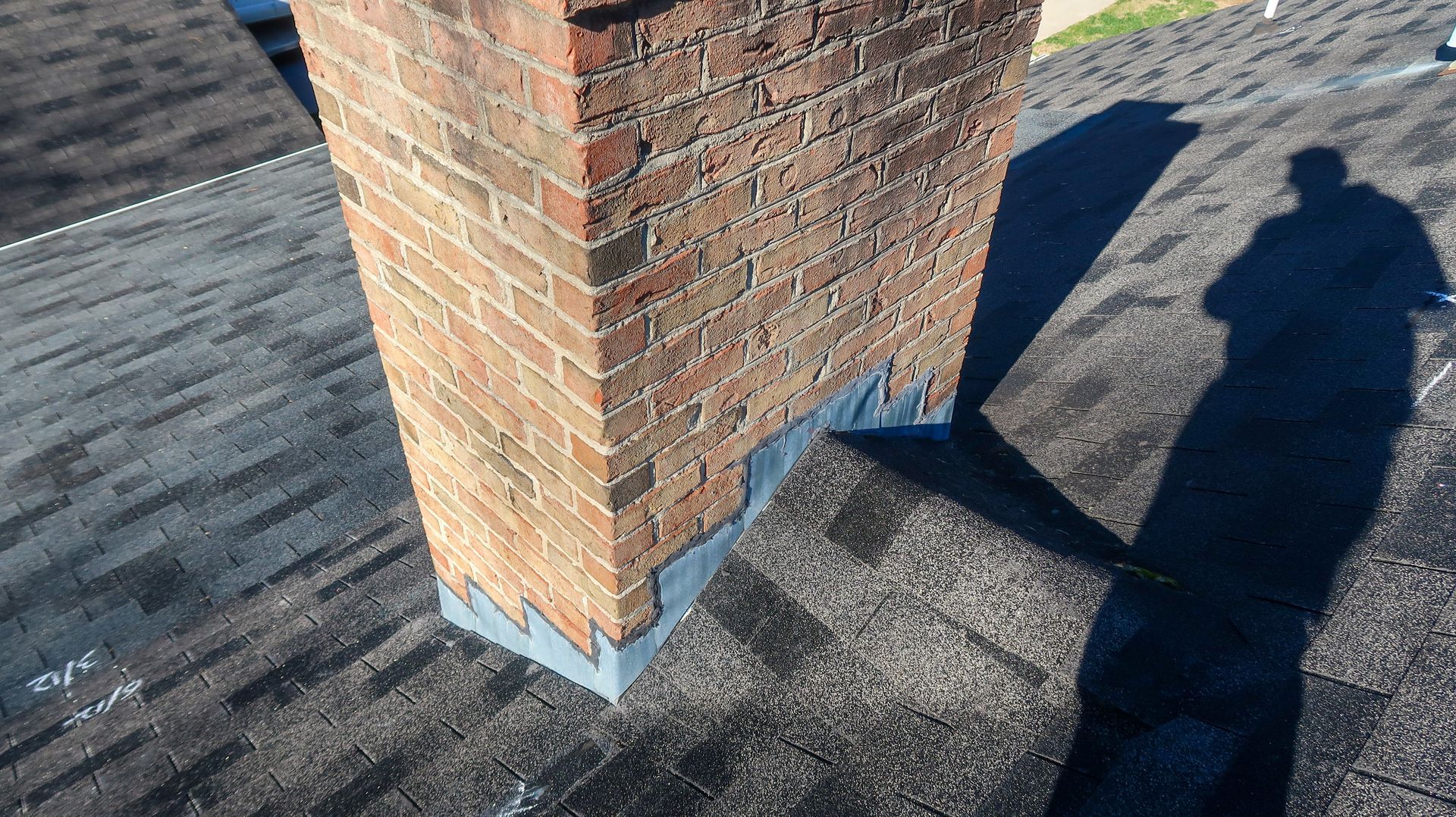
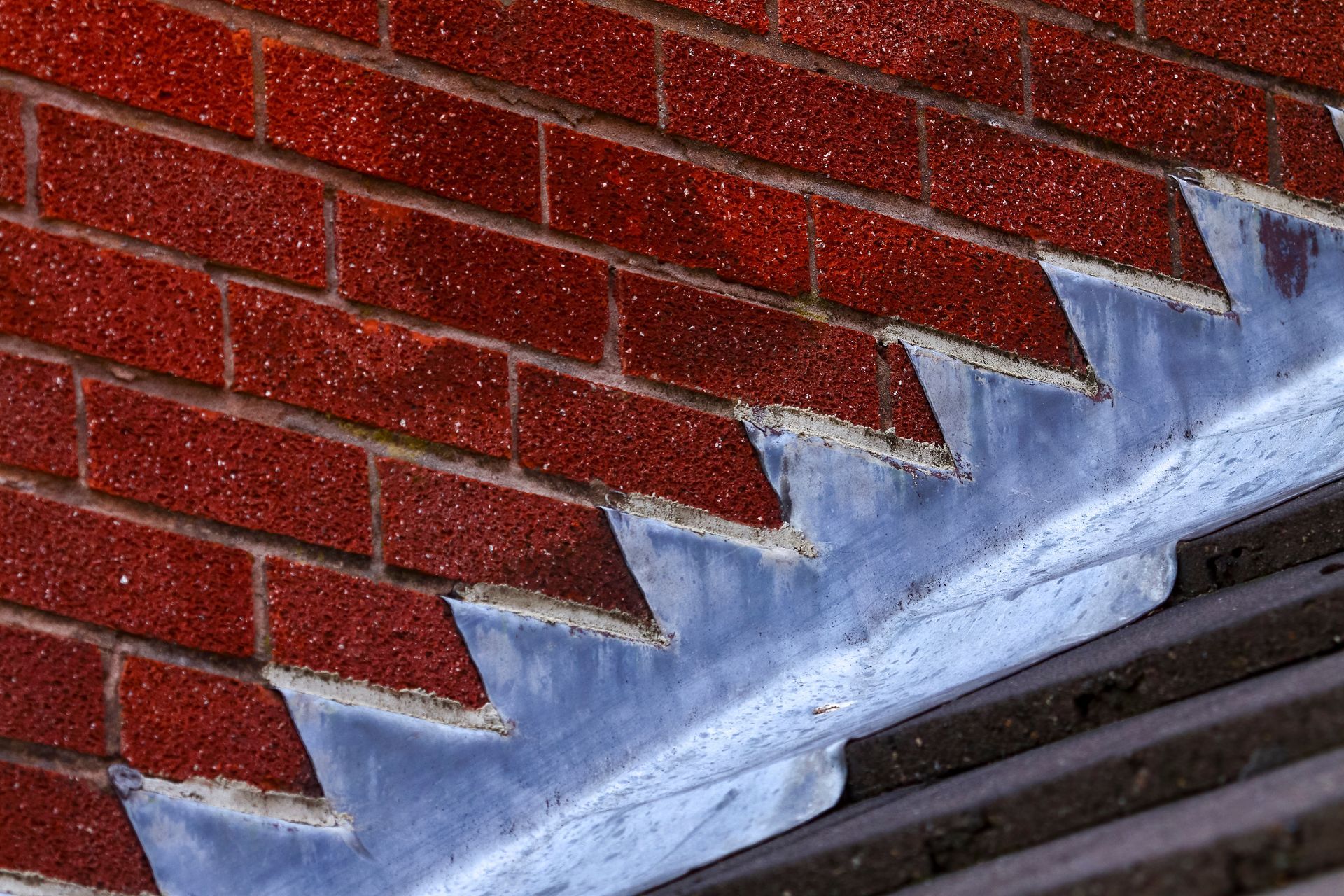
Flashing around chimneys, skylights, and plumbing vents is a common leak source. Roofers check for rust, gaps, or improper installation that allows water to seep under the shingles. They also inspect valleys where two roof planes meet, as debris buildup or damaged valley flashing can channel water under the roofing material. Homeowners seeking find roof repair help in Lansing should request a detailed inspection report that documents the leak's origin and recommended repair steps.
Which storm damage issues require immediate roof repair?
Missing shingles, punctured decking, and compromised flashing demand prompt repair to prevent water intrusion and secondary damage during Lansing's unpredictable weather.
High winds can lift shingle edges or tear entire sections from the roof, exposing underlayment or bare decking to rain and snow. Even a few missing shingles create entry points for moisture that can rot the deck and damage attic insulation. Hail impacts may not remove shingles but can crack the asphalt or dislodge protective granules, accelerating weathering and reducing the roof's lifespan.
Fallen tree branches can puncture the roof deck, creating immediate leaks that require emergency tarping until permanent repairs are completed. Damaged flashing around chimneys or vents also needs urgent attention, as gaps allow water to seep into wall cavities or attic spaces. Contractors prioritize these repairs to prevent mold growth, structural rot, and interior water damage that can escalate repair costs significantly.
What repair methods restore roof integrity after Lansing storms?
Shingle replacement, flashing repair, and deck patching are the primary methods for restoring roof integrity after storm damage in Lansing.
For isolated shingle damage, roofers remove the affected shingles by lifting the tabs above and extracting the nails. They slide new shingles into place, securing them with roofing nails in the manufacturer's specified nail zone. Sealant is applied to the underside of the overlapping shingles to ensure a watertight bond. This method works well for damage covering less than 10 percent of the roof surface.
Flashing repair involves removing the damaged section, cleaning the surrounding area, and installing new flashing with proper overlap and sealant. Step flashing along walls and counter flashing around chimneys require precise cutting and bending to match the roof's pitch and ensure water is directed away from penetrations. Deck patching addresses punctures or rot by cutting out the damaged plywood or OSB and fastening a new section in its place, ensuring a solid nailing surface for replacement shingles. Homeowners interested in a local storm repair provider in Lansing should confirm that the contractor inspects the entire roof system, not just the visible damage, to identify hidden issues that could cause future leaks.
Can roof repairs extend the lifespan of an aging roof in Lansing?
Strategic repairs can add five to ten years to an aging roof's lifespan when combined with ventilation upgrades and regular maintenance in Lansing's climate.
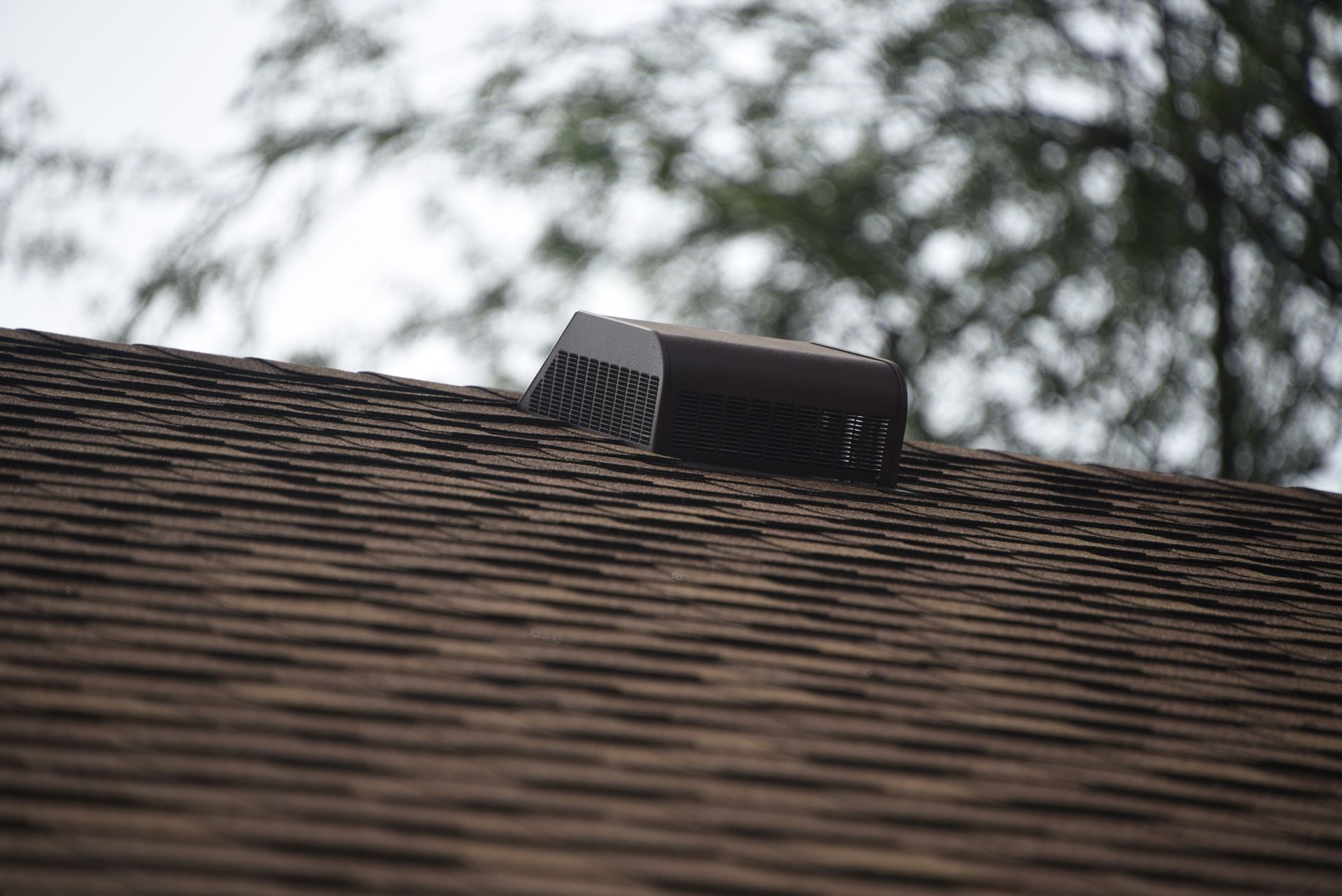
Roofs nearing the end of their rated lifespan often show localized damage rather than widespread failure. Replacing damaged sections, upgrading flashing, and improving attic ventilation can delay the need for full replacement. Adequate ventilation reduces heat and moisture buildup that accelerates shingle aging, while new flashing prevents leaks that could compromise the deck.
However, repairs become less cost-effective when damage exceeds 30 percent of the roof surface or when the deck shows extensive rot. In these cases, full replacement offers better long-term value and warranty protection. Contractors provide honest assessments of whether repair or replacement is the smarter investment based on the roof's condition and the homeowner's budget.
Do Lansing's seasonal temperature swings affect roof repair timing?
Lansing's freeze-thaw cycles and temperature extremes require careful timing for roof repairs to ensure proper sealant activation and material adhesion.
Asphalt shingles rely on heat-activated sealant strips that bond each course to the one below. Temperatures below 40°F slow or prevent this seal from forming, leaving repaired sections vulnerable to wind uplift. Scheduling repairs between late spring and early fall allows the sealant to cure fully before winter storms arrive. Emergency repairs during colder months may require hand-sealing shingles with roofing cement to provide temporary protection until warmer weather permits proper installation.
Brunette Home Improvement delivers dependable roof repair services for Lansing homes, addressing storm damage, leaks, and ventilation issues with thorough inspections and lasting solutions. Experience the difference our skilled team brings to every repair project by scheduling your consultation today.