
Roof Replacement Process for Grand Ledge, MI Homes
Roof replacement in Grand Ledge, MI requires a comprehensive inspection of the entire roofing system, including ventilation and underlayment, to ensure new materials perform reliably against Michigan's freeze-thaw cycles and heavy snow. Professional contractors evaluate deck integrity, upgrade attic airflow, and select shingles or panels engineered for the region's temperature extremes and wind exposure.
How do contractors assess roof replacement needs in Grand Ledge?
Contractors inspect shingle condition, deck stability, and ventilation adequacy to determine whether repair or full replacement is the most cost-effective solution for Grand Ledge homes.
A thorough inspection begins with a visual examination of shingles for granule loss, curling, or missing tabs. Roofers then check the attic for signs of moisture damage, such as water stains on rafters or mold growth on insulation. They measure attic ventilation by calculating the ratio of intake vents at the soffits to exhaust vents at the ridge, ensuring it meets the one-square-foot-per-150-square-feet guideline.
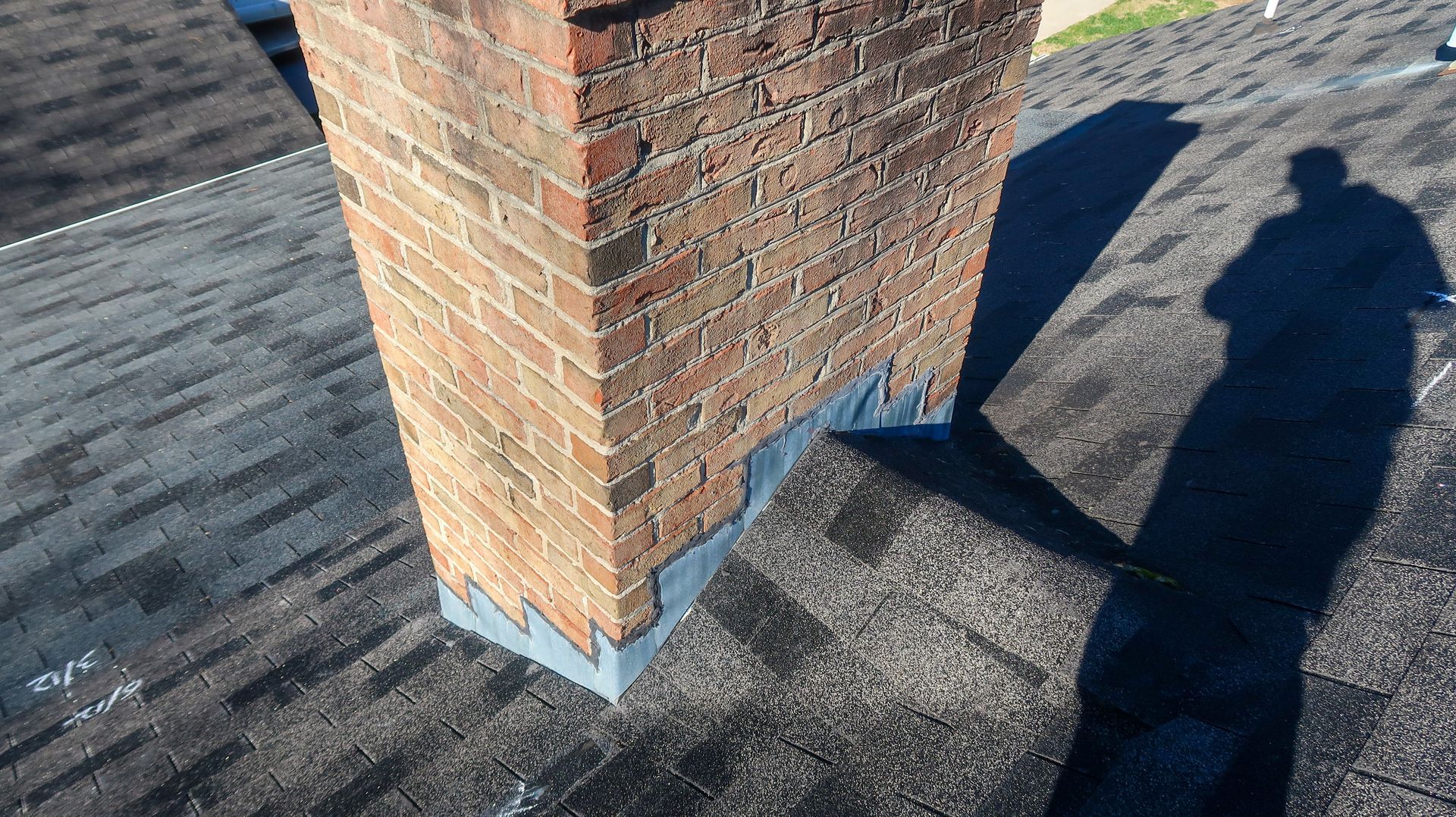
Deck inspection involves walking the roof to identify soft spots or sagging areas that indicate rotted plywood. Contractors also examine flashing around chimneys, skylights, and vents for rust or gaps that could allow leaks. If more than 30 percent of the roof shows damage or the shingles have reached the end of their rated lifespan, full replacement typically offers better long-term value than piecemeal repairs.
Which roofing materials perform best in Grand Ledge's climate?
Asphalt shingles and metal panels dominate Grand Ledge roof replacements, each offering distinct advantages for wind resistance, snow shedding, and thermal performance.
Architectural asphalt shingles with wind ratings above 110 mph handle Grand Ledge's occasional severe thunderstorms and provide a cost-effective option for most homeowners. Their laminated construction resists tearing and offers warranties up to 50 years when installed with proper underlayment and ventilation. Metal roofing, whether standing-seam steel or aluminum panels, lasts over 50 years and sheds snow more efficiently than asphalt, reducing ice dam risk.
Underlayment choice also affects performance. Synthetic underlayment resists tearing during installation and provides superior water resistance compared to traditional felt, especially during spring thaws when meltwater can pool under damaged shingles. Homeowners considering a local roof replacement provider in Grand Ledge should discuss material options with their contractor to match their budget, aesthetic preferences, and long-term maintenance goals.
What steps are involved in a Grand Ledge roof replacement?
Roof replacement follows a sequence of tear-off, deck repair, underlayment installation, and shingle or panel application, with each phase requiring attention to ventilation and flashing details.
Crews begin by removing old shingles, flashing, and underlayment down to the bare deck. They inspect the plywood or OSB for rot, warping, or missing fasteners, replacing damaged sections to provide a solid nailing surface. Next, they install drip edge along eaves and rakes to direct water into gutters and prevent fascia rot.
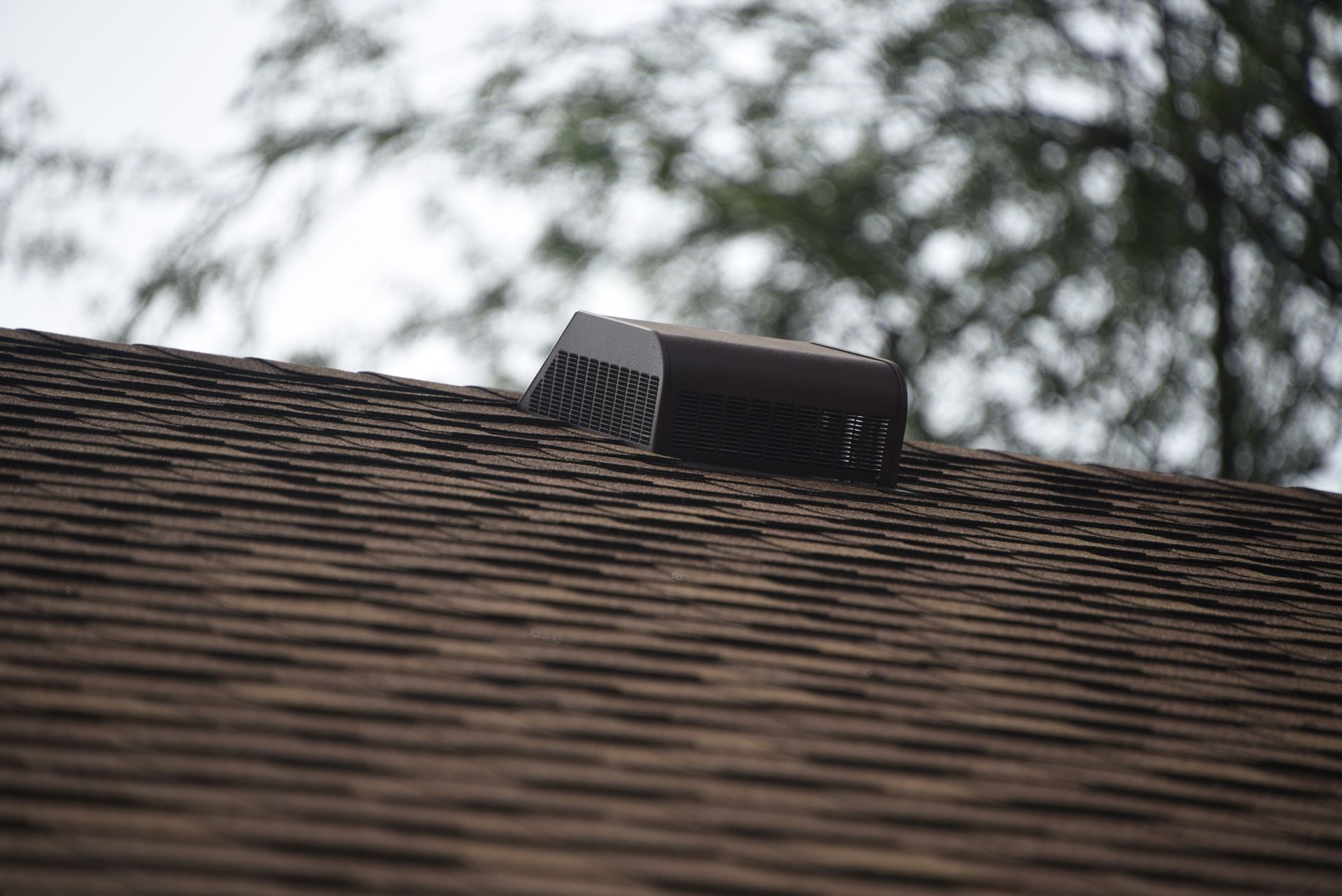
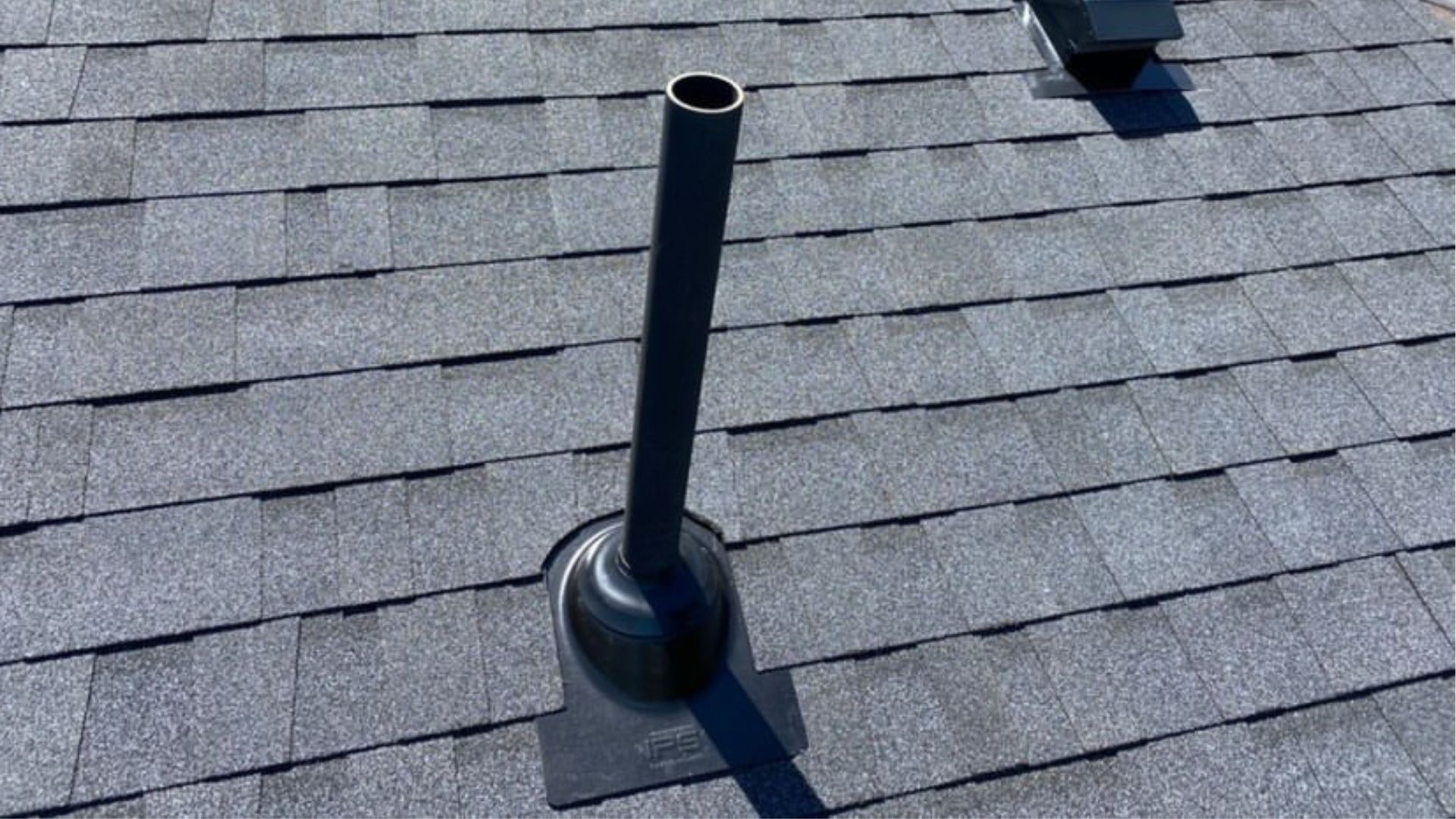
Synthetic underlayment is rolled out from eaves to ridge, with seams overlapped by at least six inches and secured with cap nails. Roofers then install starter strips along the eaves and begin laying full-size shingles in staggered rows, offsetting each course by half a tab to prevent water channeling. Ridge vents are integrated at the peak to exhaust hot air, while soffit vents provide intake airflow. Flashing is custom-fit around chimneys, skylights, and plumbing vents to create watertight seals.
Do Grand Ledge's hilly neighborhoods affect roof replacement timelines?
Grand Ledge's varied terrain and mature tree canopy require careful planning for material delivery, debris removal, and crew safety, which can extend project timelines by one to two days.
Homes on sloped lots or narrow streets may need specialized equipment to hoist shingle bundles to the roof, adding setup time. Mature oaks and maples common in Grand Ledge neighborhoods can drop branches or leaves during the project, requiring extra cleanup. Contractors also schedule work around weather forecasts, avoiding days with high winds or rain that could delay installation or damage exposed decking.
Most roof replacements in Grand Ledge take two to four days for a typical single-family home, depending on roof complexity and material choice. Metal roofing installations may take an additional day due to the precision required for panel alignment and fastener placement. Homeowners exploring what roofing in Grand Ledge typically involves should confirm that their contractor includes a detailed timeline and contingency plan for weather delays in the project agreement.
When is the best season for roof replacement in Grand Ledge?
Late spring through early fall offers the most reliable weather for roof replacement in Grand Ledge, allowing shingles to seal properly and minimizing the risk of moisture trapped under new materials.
Asphalt shingles rely on heat-activated sealant strips that bond each course to the one below. Temperatures below 40°F slow or prevent this seal from forming, leaving shingles vulnerable to wind uplift. Scheduling replacement between May and October ensures the sealant cures fully before winter storms arrive. Contractors also work more efficiently in dry conditions, reducing the risk of moisture trapped under new underlayment that could lead to mold or wood rot.
Brunette Home Improvement provides complete roof replacement services for Grand Ledge homes, from initial inspection through final cleanup and warranty registration. Plan your project with our skilled team to ensure your new roof delivers decades of protection against Michigan's demanding climate.